
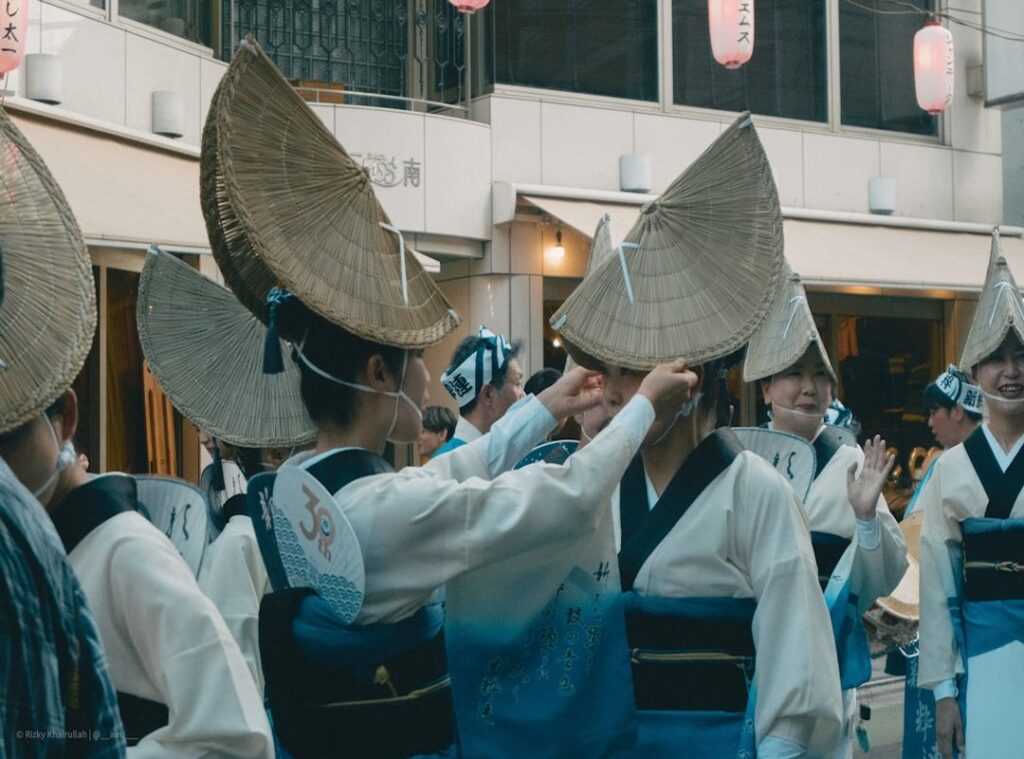
Picture this: the deep rumble of taiko drums vibrating in your chest, the rich aroma of festival food wafting through the air, and the mesmerizing sight of a thousand lanterns illuminating the night. You want to experience Japan’s lively heart, but the guidebooks only take you so far. Stuck in the tourist trap?
I get it, and you’re not alone.
Everyone craves genuine immersion, yet it’s easy to feel lost among the crowds. Japan cultural festivals come in. They’re the key to diving deeper, beyond those worn-out paths. My passion for immersive travel has shown me that these festivals aren’t just events; they’re living traditions.
Each one is a chance to connect with Japan in a way guidebooks can’t offer. This guide promises to be your roadmap to authentic experiences, season by season.
Spring’s Awakening: Cherry Blossoms and Thundering Parades
Spring in Japan is a wild cocktail of serene beauty and explosive energy. You can’t talk about Japan in spring without mentioning Hanami. It’s not just about looking at cherry blossoms.
It’s about feeling the soft pink petals flutter down like nature’s confetti. The air hums with laughter and the gentle rustle of picnic blankets as we gather under the sakura. People munch on special seasonal treats (like sakura mochi) as if they were the main event.
This isn’t just a local thing. It’s a national celebration.
Then there’s the other side of spring (the) thundering, heart-pounding side. Tokyo’s Sanja Matsuri is a high-energy festival where tradition goes full throttle. Imagine the streets jam-packed with people, the air electric with anticipation.
Mikoshi (portable shrines) sway through the crowd, carried by passionate locals. The rhythm of taiko drums pulls you in, whether you want it or not. It’s a sensory overload you can’t ignore.
But how do you make the most of these festivals? For Hanami, aim for early April and head to Ueno Park or Shinjuku Gyoen. As for Sanja Matsuri, go early to stake out a good spot, and be respectful (keep your elbows in).
For more cultural deep dives, this guide offers a journey beyond blossoms and drums. Japan cultural festivals are more than just events; they’re experiences that linger.
Summer’s Spectacle: Fire, Dance, and Ancestral Spirits
Imagine a warm Japanese summer night. The air is thick with the hum of cicadas. People gather in lively yukata (those flowing summer kimonos) to witness a spectacle that captures the heart and spirit of Japan cultural festivals.
This isn’t just a firework display; these are meticulously choreographed ‘Hanabi’ festivals. It’s as if the night sky is dancing to its own rhythm.
The explosions above aren’t mere decoration. They’re a conversation with the heavens, a shared gasp of beauty among thousands. See, in Japan, these festivals are deeply embedded in the cultural psyche.
It’s a symphony of light and sound that you have to feel in person. And while you’re at it, try some festival food (because who can resist?)
But wait, there’s more. Obon is the time when ancestral spirits visit. It’s about connection.
Have you ever seen the elegant ‘Bon Odori’ dance? It’s both haunting and hypnotic. The air is filled with a sense of remembrance and gratitude.
And Kyoto doesn’t miss a beat with its Gion Matsuri. This isn’t a weekend affair. It’s a month-long celebration!
The grand parade of ‘yamaboko’ floats is something straight out of a movie. These floats glide through the streets like ancient ships on a sea of humanity.
In all these festivals, there’s a sense of timelessness. You feel a link to the past. That’s the magic of Japanese summers.
They’re not just a season. They’re an experience.
Autumn’s Palette: Fiery Leaves and Imperial History
Autumn in Japan is a kaleidoscope of colors. It’s like stepping into a painting. You can’t ignore the fiery reds and oranges of ‘Momijigari’, the autumn leaf viewing.
This isn’t just a seasonal bookend to Hanami, but a celebration of nature’s fleeting beauty. Kyoto and Nikko are the hotspots. Their landscapes are drenched in color, and it’s nothing short of a masterpiece.
Doesn’t that sound incredible?
But let’s not forget history. The Jidai Matsuri in Kyoto brings Japanese history to life. Picture an impressive historical procession with lavish costumes from different eras.
It’s like a time machine on parade. You get to see centuries unfold right in front of you. It’s awe-inspiring to watch history walk by.
As the leaves fall, so do the rice grains during harvest festivals. These food-focused celebrations add a delicious dimension to autumn. Imagine tasting local delicacies, each bite capturing the season’s essence.
Not everything about autumn is fiery; there’s a comforting warmth in hearty dishes too.
I’m not sure if words can capture this. Sometimes you have to see it to believe it. Autumn in Japan is a mosaic of experiences waiting to be felt.
If exploring more of the world calls to you, you might also want to discover ancient ruins greece. It’s all about immersing yourself in these cultural festivals and letting history and nature do the talking.
Winter’s Wonderland: Ice Sculptures and Sacred Beginnings
There’s something magical about winter in Japan. It’s not just the chill in the air, but the sense of wonder around every snow-carved corner. At the heart of this is the Sapporo Snow Festival.
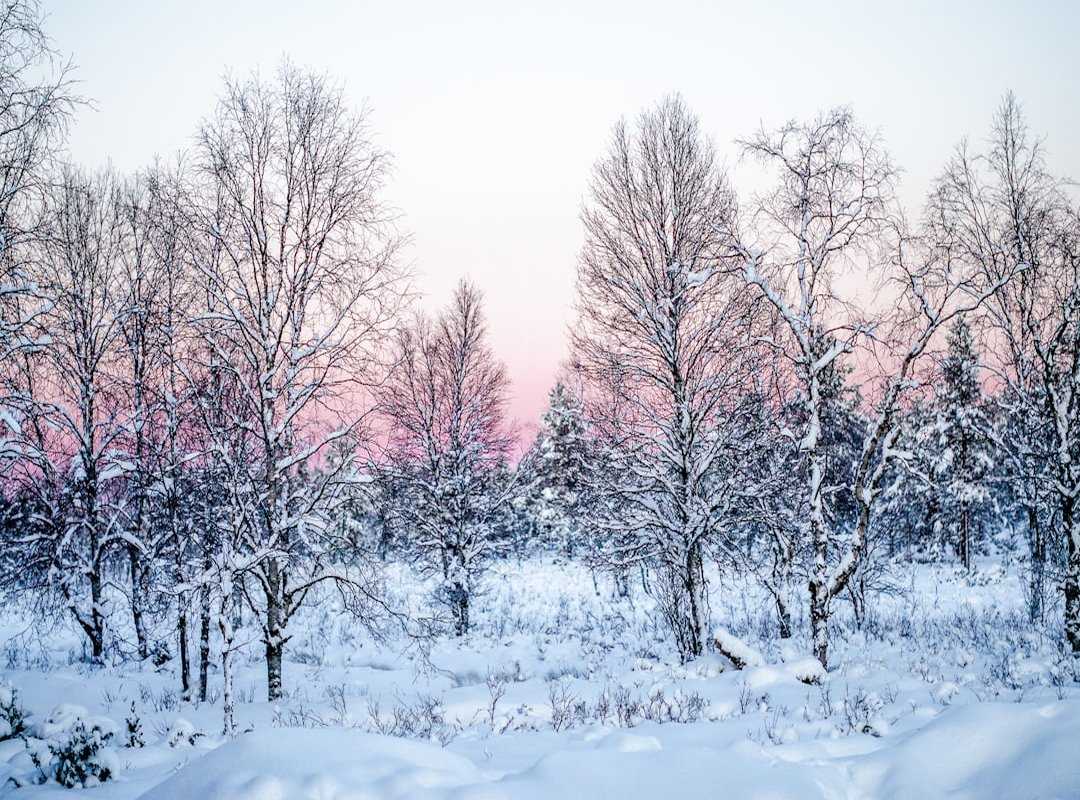
If you’re picturing a few cute snowmen, think bigger. Monumental sculptures stretch into the sky, crafted by international artists who transform snow and ice into art. At night, these sculptures glow, illuminated against the winter sky. The scene is pure magic.
But wait, there’s more. As the festival dazzles, ‘Oshogatsu’ (Japanese New Year) brings its own sacred vibe. Ever heard of ‘hatsumode’?
It’s the tradition of the first shrine visit of the year. People flock to shrines, basking in the sound of temple bells ringing in a fresh start. And then there’s ‘osechi ryori,’ a feast of traditional foods that are almost too beautiful to eat.
Almost.
Planning a winter trip to Japan? Here’s a pro tip: pack layers. Seriously.
The weather can be unpredictable. And be mindful of holiday closures. Some places might be more silent than usual (not a bad thing if you ask me).
Winter, with its festivals and traditions, offers a cozy glimpse into Japan’s cultural festivals. It’s an experience that wraps you in warmth, even when the snow falls gently all around.
Festival Etiquette: Your Passport to Graceful Participation
Navigating Japan cultural festivals can be a minefield if you’re not paying attention. Trust me, it’s all about blending in.
First, follow the crowd’s lead. Not in a mindless way, but in a “how not to stick out like a sore thumb” way. Lining up matters.
Order’s respected here.
Food stalls? Pay where you’re supposed to. Eat, then move.
And please, throw your trash in the designated bins. It’s not just polite; it’s expected.
Photography has its own rules. Avoid flash during ceremonies. Ask before snapping someone’s photo.
Attire matters too. Yukatas are for specific occasions. Wear comfortable shoes.
It’s not just about capturing moments but doing it respectfully.
You’re going to be on your feet a lot.
Pro tip: Respect ensures you’re respected.
Your Cultural Adventure Awaits
Experiencing Japan cultural festivals is the best way to connect with the country’s soul. Remember how hard it seemed to find an authentic experience? You’ve cracked that.
Aligning your trip with the seasons was genius. Now, you’re armed with the knowledge to pick a celebration that truly resonates. Which season is calling to you?
It’s time to turn inspiration into an itinerary and plan the cultural adventure of a lifetime. Don’t hesitate. Dive into this experience.
The festivals await, promising an unforgettable journey. Ready to make memories? Start planning now.
Your adventure in Japan is just a decision away.

 There is a specific skill involved in explaining something clearly — one that is completely separate from actually knowing the subject. Ozirian Velmyre has both. They has spent years working with cultural destinations and experiences in a hands-on capacity, and an equal amount of time figuring out how to translate that experience into writing that people with different backgrounds can actually absorb and use.
Ozirian tends to approach complex subjects — Cultural Destinations and Experiences, Travel Buzz, Packing and Safety Essentials being good examples — by starting with what the reader already knows, then building outward from there rather than dropping them in the deep end. It sounds like a small thing. In practice it makes a significant difference in whether someone finishes the article or abandons it halfway through. They is also good at knowing when to stop — a surprisingly underrated skill. Some writers bury useful information under so many caveats and qualifications that the point disappears. Ozirian knows where the point is and gets there without too many detours.
The practical effect of all this is that people who read Ozirian's work tend to come away actually capable of doing something with it. Not just vaguely informed — actually capable. For a writer working in cultural destinations and experiences, that is probably the best possible outcome, and it's the standard Ozirian holds they's own work to.
There is a specific skill involved in explaining something clearly — one that is completely separate from actually knowing the subject. Ozirian Velmyre has both. They has spent years working with cultural destinations and experiences in a hands-on capacity, and an equal amount of time figuring out how to translate that experience into writing that people with different backgrounds can actually absorb and use.
Ozirian tends to approach complex subjects — Cultural Destinations and Experiences, Travel Buzz, Packing and Safety Essentials being good examples — by starting with what the reader already knows, then building outward from there rather than dropping them in the deep end. It sounds like a small thing. In practice it makes a significant difference in whether someone finishes the article or abandons it halfway through. They is also good at knowing when to stop — a surprisingly underrated skill. Some writers bury useful information under so many caveats and qualifications that the point disappears. Ozirian knows where the point is and gets there without too many detours.
The practical effect of all this is that people who read Ozirian's work tend to come away actually capable of doing something with it. Not just vaguely informed — actually capable. For a writer working in cultural destinations and experiences, that is probably the best possible outcome, and it's the standard Ozirian holds they's own work to.