
Scrolling through endless photos of Ha Long Bay again? You’re not alone. Most folks end up chasing the same snapshots and miss the true heart of Vietnam.
I’ve spent years exploring this country, diving into places that guidebooks gloss over or miss entirely.
The problem is clear: sticking to the well-trodden path leaves so many Vietnam secret spots undiscovered. Imagine stepping off that crowded trail and finding misty mountains up north or serene southern waterways untouched by the tourist swarm.
This isn’t just about where to go, but how to truly experience Vietnam.
I’m offering a guide not just to hidden gems but to a memorable adventure. Get ready to see Vietnam in a way that breaks free from postcards and really dives into its soul.
Northern Mountain Escapes: The Ha Giang Loop & Pu Luong
The north of Vietnam is a treasure trove of dramatic landscapes and rich ethnic culture. Forget the chaos of Hanoi. Up here, you’ll find something special: Vietnam secret spots you never knew you needed.
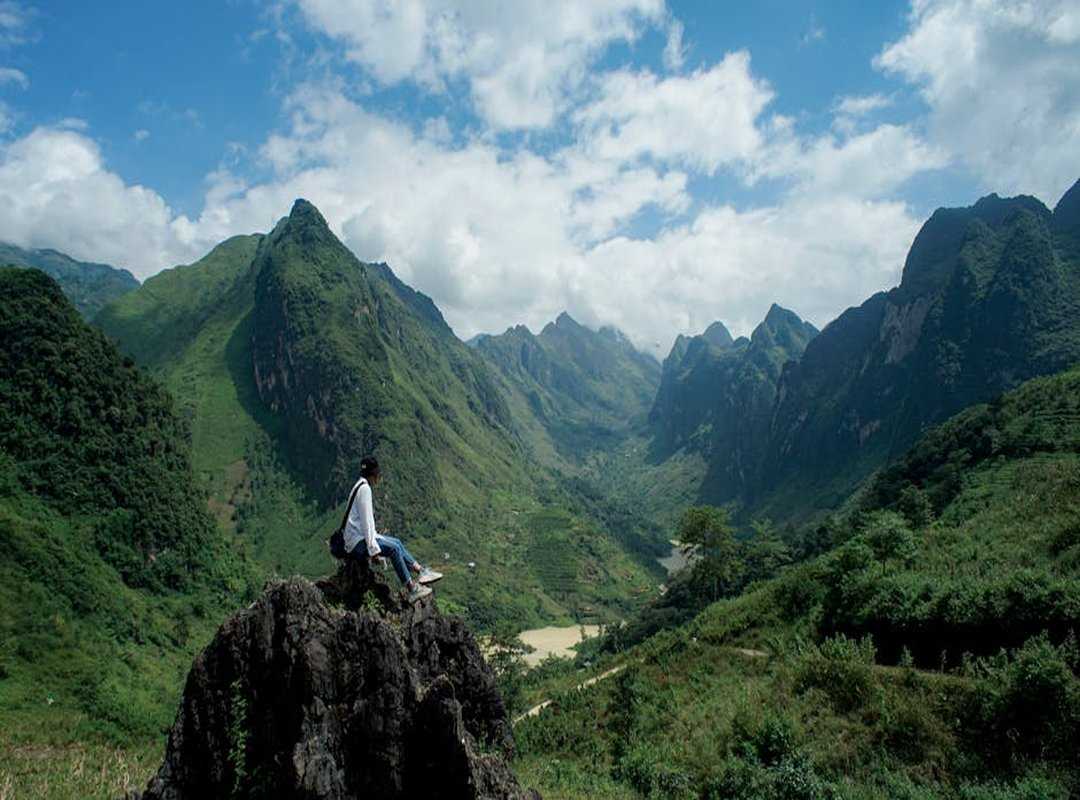
Let’s talk about the Ha Giang Loop first. Picture this: you’re riding through serpentine roads, flanked by towering karst peaks and valleys speckled with ethnic villages. It’s not just a place.
It’s a feeling. The thrill of the open road combined with the peaceful isolation of these mountains is something out of a dream. (Or a movie, for that matter.) If you’re not a motorcyclist, no worries. You can take an “easy rider” option, where someone else does the driving.
You just sit back and enjoy. Pro tip: Avoid the rainy season unless you love mud!
Now, let’s shift gears to Pu Luong Nature Reserve. It’s like Sapa, but without the selfie-stick crowd. Rice terraces cascade down the mountains, and those water wheels?
They’re not just for show. Stay in a tranquil homestay where you might share a meal with a local family. This isn’t just travel.
It’s connection.
Wondering when to visit? Aim for the dry season. Trust me, the roads are less treacherous, and the views are clearer.
Speaking of views, nothing beats the sight from Ma Pi Leng Pass. It’s breathtaking and a bit daunting too. But isn’t that what adventure is all about?
If you’re exploring Vietnam and craving more hidden gems, why not discover lesser known towns in Italy? There’s always a new corner of the world waiting to be unveiled.
Central Coast Secrets: Quy Nhon’s Hidden Charm
Quy Nhon isn’t your typical tourist trap. It’s where the Vietnamese go to unwind, away from the crowded hustle of Da Nang or Nha Trang. Imagine this: long stretches of clean beaches, like Ky Co and Eo Gio (aptly named the ‘Windy Pass’), with hardly another soul in sight.
There’s a relaxed vibe here, unpretentious and centered around the sea.
Let’s talk food. The seafood in Quy Nhon is fresh, affordable, and downright delicious. Picture yourself at a seaside shack, feet in the sand, devouring grilled shrimp and fish straight from the ocean.
It’s not just a meal; it’s an experience. You won’t find these flavors in the more commercialized spots.
And then there are the Cham Towers, specifically Thap Doi. These ancient structures are a the region’s rich history. They’re not just old stones; they whisper stories of the Cham civilization that once thrived here.
It’s cultural immersion, right at your fingertips.
Here’s a pro tip for exploring: rent a scooter. It’s the best way to discover Quy Nhon’s coastline. You’ll find hidden beaches, ones without names that aren’t on any tourist map.
Trust me, it’s worth the ride. The freedom of the open road, the wind in your hair. There’s nothing quite like it.
Why stick to the beaten path when you can uncover Vietnam secret spots like Quy Nhon? It’s a place where tranquility and culture meet, offering an authentic taste of Vietnamese life. Forget the clichés and crowds.
This is where you want to be.
So, pack light and go. Experience the quiet shores of Quy Nhon. It’s more than a destination; it’s a revelation.
Discover Vietnam: An Giang’s Untamed Beauty
The Mekong Delta isn’t just a quick jaunt from Ho Chi Minh City. It’s a sprawling region full of hidden gems, like An Giang Province, that demand more of your time. Why just scratch the surface when you can dive deep?
Ever heard of the Tra Su Cajuput Forest? Imagine gliding silently in a sampan boat, the green carpet of water ferns stretching out before you. You’re enveloped by the sound of birdsong, the kind that seeps into your bones and quiets the chaos in your head.
You feel that peace, the kind you can’t buy, the kind you don’t forget. It’s an immersion into nature that pulls you in deeper than you’d expect.
Then there’s Chau Doc’s floating villages. It’s a whole different world where life dances on water. People work, play, and live their entire lives on these floating structures.
The floating markets are alive, bustling with energy, while fish farms thrive below the surface. It’s a world apart, and you can smell the marketplace’s mix of fresh produce and the gentle lapping of water against boats.
Want a real adventure? Stay overnight in Chau Doc. Experience the sunset that paints the river in shades of gold and red.
Wake up to the market buzz that fills the air with life and purpose. It’s not something you rush through. It’s something you soak in.
And while you’re exploring Vietnam’s secret spots, there’s a whole world to uncover. Learn more about other hidden treasures like secret waterfalls worth the trek. Trust me, the Mekong Delta and An Giang have more than what meets the eye. Why settle for the usual when you can have the extraordinary? It’s a journey you won’t regret.
Navigating Vietnam’s Hidden Wonders
Want to shift from dreaming about adventures to actually planning them? Transportation is your first hurdle in Vietnam’s secret spots. Local buses like FUTA Bus Lines?
They’re cheap but crowded. Renting a motorbike gives you freedom (just be sure you’ve got that International Driving Permit). And Grab’s a lifesaver in smaller cities, trust me.
Now, let’s talk communication. You don’t need to learn Vietnamese fluently, but a few phrases go a long way. “Xin chào” for hello, “Cảm ơn” for thank you, “Bao nhiêu?” when asking how much, and “Ngon” for delicious. A translation app with offline capabilities is gold here.
Cultural etiquette can make or break your trip. When visiting rural areas or temples, dress modestly. Cover your shoulders and knees.
It shows respect and keeps you out of awkward situations.
Packing essentials? Don’t pack just another boring water bottle. A reusable water filter bottle is your best friend for those off-the-grid places.
And a reliable power bank. Nothing worse than a dead phone when you finally find that hidden gem.
So, ready to dive into Vietnam’s uncharted beauties? Remember these tips, and you’re all set to explore like a pro.
Discover Vietnam Like Never Before
If you’re craving real adventure, skip the usual tourist traps. The true beauty of Vietnam lies in its hidden gems. We all want that authentic experience, right?
With a little planning and a dash of courage, these Vietnam secret spots are yours to uncover. Why settle for crowded spots when untouched wonders await? Save this guide now.
It’s your ticket to a unique journey that most travelers miss. Trust me, you’ll thank yourself later. Start on your own unforgettable Vietnam adventure.
Ready to dive in? Start planning today (your) adventure awaits!

 There is a specific skill involved in explaining something clearly — one that is completely separate from actually knowing the subject. Ozirian Velmyre has both. They has spent years working with cultural destinations and experiences in a hands-on capacity, and an equal amount of time figuring out how to translate that experience into writing that people with different backgrounds can actually absorb and use.
Ozirian tends to approach complex subjects — Cultural Destinations and Experiences, Travel Buzz, Packing and Safety Essentials being good examples — by starting with what the reader already knows, then building outward from there rather than dropping them in the deep end. It sounds like a small thing. In practice it makes a significant difference in whether someone finishes the article or abandons it halfway through. They is also good at knowing when to stop — a surprisingly underrated skill. Some writers bury useful information under so many caveats and qualifications that the point disappears. Ozirian knows where the point is and gets there without too many detours.
The practical effect of all this is that people who read Ozirian's work tend to come away actually capable of doing something with it. Not just vaguely informed — actually capable. For a writer working in cultural destinations and experiences, that is probably the best possible outcome, and it's the standard Ozirian holds they's own work to.
There is a specific skill involved in explaining something clearly — one that is completely separate from actually knowing the subject. Ozirian Velmyre has both. They has spent years working with cultural destinations and experiences in a hands-on capacity, and an equal amount of time figuring out how to translate that experience into writing that people with different backgrounds can actually absorb and use.
Ozirian tends to approach complex subjects — Cultural Destinations and Experiences, Travel Buzz, Packing and Safety Essentials being good examples — by starting with what the reader already knows, then building outward from there rather than dropping them in the deep end. It sounds like a small thing. In practice it makes a significant difference in whether someone finishes the article or abandons it halfway through. They is also good at knowing when to stop — a surprisingly underrated skill. Some writers bury useful information under so many caveats and qualifications that the point disappears. Ozirian knows where the point is and gets there without too many detours.
The practical effect of all this is that people who read Ozirian's work tend to come away actually capable of doing something with it. Not just vaguely informed — actually capable. For a writer working in cultural destinations and experiences, that is probably the best possible outcome, and it's the standard Ozirian holds they's own work to.