
Planning a trip that goes beyond the typical tourist checklist? This guide is designed to help you discover unforgettable destinations, practical travel tips, and meaningful cultural experiences—all in one place. Whether you’re searching for iconic landmarks, hidden local adventures, or essential safety advice, you’ll find clear, actionable insights to help you travel smarter and more confidently.
From exploring breathtaking unesco world heritage sites to navigating local customs and transportation with ease, this article aligns with what travelers are actively looking for: reliable information that turns inspiration into a well-planned journey. We’ve drawn on up-to-date travel research, official tourism resources, and firsthand destination insights to ensure the recommendations are accurate, relevant, and practical.
If you want more than just a list of places—and instead want context, planning guidance, and cultural depth—this guide will help you make the most of every step of your adventure.
Standing Where History Breathes
Imagine sunrise over the Giza Plateau, limestone blocks glowing honey-gold as Cairo hums awake, or drifting above Australia’s Great Barrier Reef near Cairns, where parrotfish flash neon beneath your fins. These places aren’t just famous—they’re officially recognized as unesco world heritage sites, meaning they meet strict criteria for “Outstanding Universal Value,” a term defining cultural or natural importance so exceptional it belongs to all humanity.
However, that label confuses many travelers. What does it protect? How should you plan? This guide breaks it down, highlights remarkable examples, and shares practical tips for visiting responsibly. Start here.
What makes a site ‘World Heritage’? It starts with UNESCO, the United Nations Educational, Scientific and Cultural Organization, which began listing unesco world heritage sites in 1978 after the 1972 Convention took effect. To qualify, a place must demonstrate “outstanding universal value,” meaning its importance transcends borders and generations.
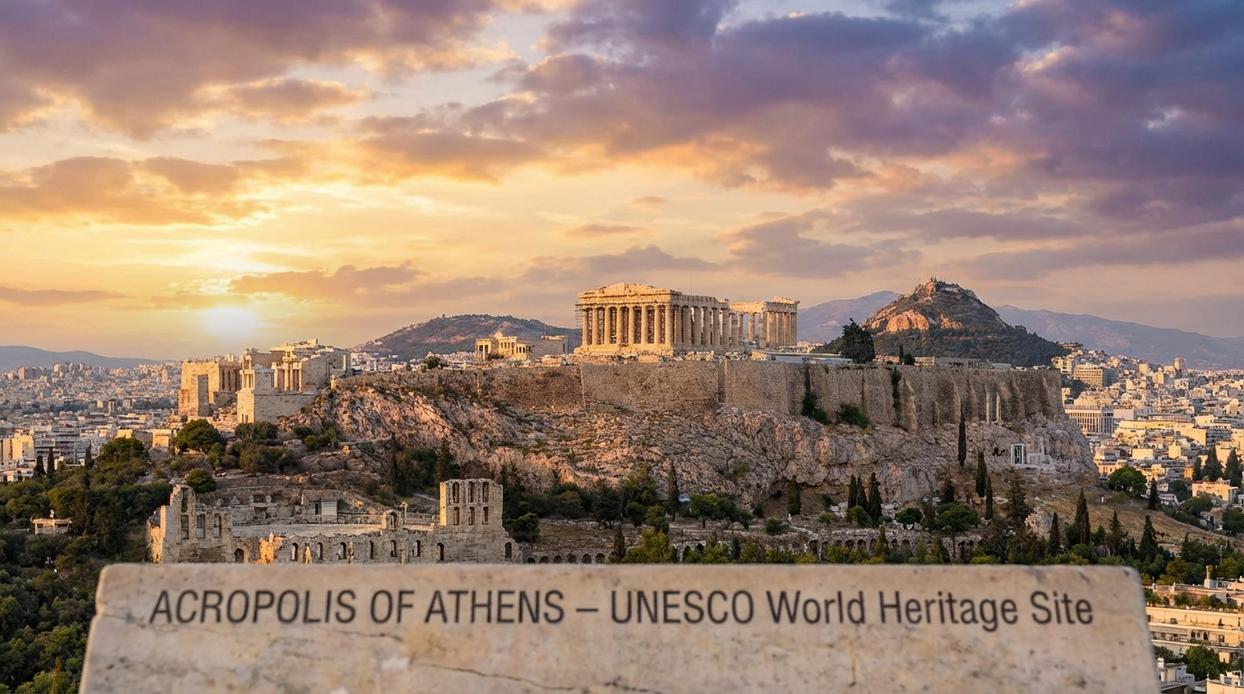
Cultural Heritage Sites celebrate human creativity and history. Think of the Acropolis in Athens, standing for nearly 2,500 years; the historic center of Rome, layered with millennia of empire; or the rock-hewn churches of Lalibela in Ethiopia, carved in the 12th century straight from volcanic rock (yes, by hand).
Natural Heritage Sites protect Earth’s masterpieces:
- The Galápagos Islands, whose unique species shaped Darwin’s ideas in 1835.
- Serengeti National Park, where the annual wildebeest migration still follows ancient rhythms.
- Ha Long Bay in Vietnam, with limestone karsts formed over millions of years.
Mixed Heritage Sites blend both worlds. Machu Picchu, revealed to global audiences in 1911, pairs a 15th-century Inca citadel with dramatic Andean peaks.
Some argue the label can over-commercialize destinations. Fair point. Yet, decades on, the designation continues to drive conservation funding and global awareness—helping ensure these places endure long after our cameras power down. For future generations worldwide, everywhere.
Machu Picchu, Peru: The Lost City of the Incas
First and foremost, Machu Picchu isn’t just a photo stop—it’s an experience that rewards preparation. This 15th-century Incan citadel, perched high in the Andes, is one of the most celebrated unesco world heritage sites for good reason. Therefore, I strongly recommend booking entry tickets and your train from Cusco months ahead, especially during high season (June–August). Availability disappears fast (and disappointment is a terrible travel souvenir). If you’re up for it, hike a portion of the Inca Trail. Even a single day on the trail deepens your appreciation for the engineering brilliance of the Inca civilization.
Angkor Wat, Cambodia: The World’s Largest Religious Monument
Next, head to Angkor Wat, a sprawling temple complex originally constructed in the 12th century as a Hindu temple before becoming a Buddhist site. While most visitors cluster at sunrise in front of the main temple, I recommend renting a bicycle to explore lesser-visited gems like Ta Prohm—famously entwined with jungle roots—and Bayon, known for its serene stone faces. Exploring at your own pace allows for quiet, reflective moments (and far better photos). Start early, hydrate often, and plan a mid-day break when the heat peaks.
Petra, Jordan: The Rose-Red City Half as Old as Time
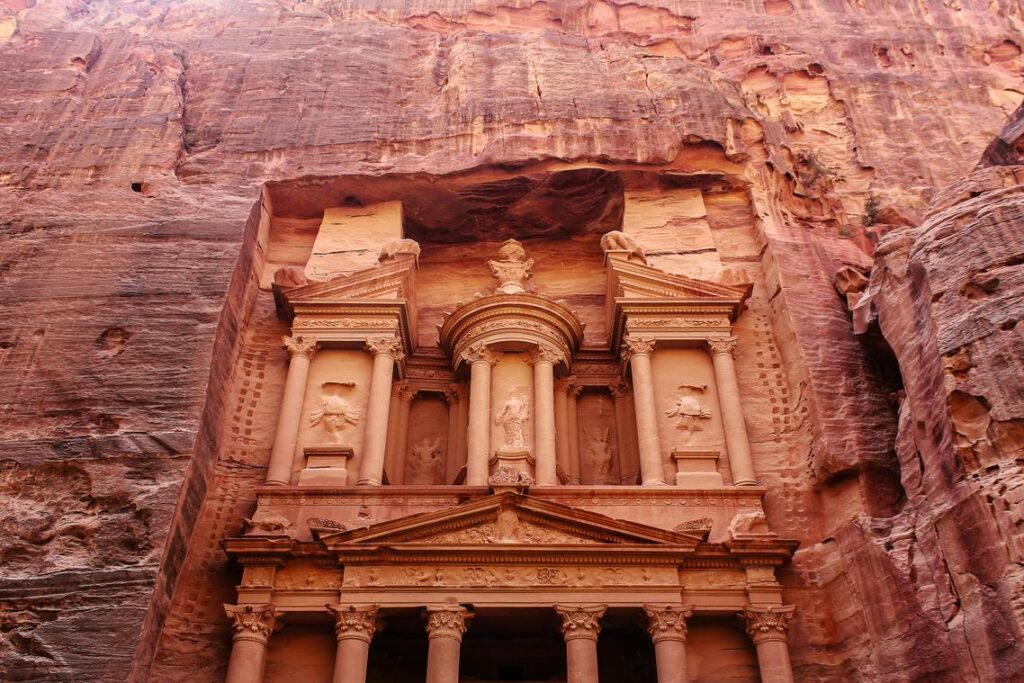
Finally, Petra delivers drama from the very first step through the Siq, a narrow sandstone canyon leading to the Treasury. Arrive at opening hour; the soft morning light and thinner crowds transform the experience. Wear sturdy, comfortable shoes—the archaeological park is vast. If time allows, hike to the Monastery for sweeping desert views that make the climb undeniably worthwhile.
Journey into the Wild: Unmissable Natural Masterpieces
Iguazu Falls – Argentina/Brazil
A waterfall system spanning nearly two miles, Iguazu Falls is one of the most powerful natural spectacles on Earth. With 275 individual drops, it’s no surprise this is among the most visited unesco world heritage sites in South America.
Practical tip: Start on the Argentinian side early (park opens around 8 a.m.) to beat tour buses. Follow the Upper Circuit first for panoramic views, then take the Lower Circuit for immersive angles. Finally, book the Gran Aventura boat tour in advance. You’ll store valuables in waterproof bags before boarding, then ride straight into the mist beneath the falls (yes, you will get drenched—embrace it).
The Great Barrier Reef – Australia
Stretching over 1,400 miles, the Great Barrier Reef is the planet’s largest living structure, visible from space (NASA confirms this remarkable scale).
Step-by-step for a responsible visit:
- Research eco-certified operators.
- Pack reef-safe sunscreen.
- Consider a liveaboard trip for access to healthier outer reefs.
Pro tip: Ask guides about coral bleaching zones so you understand what you’re seeing. Education deepens the experience (and makes you the smartest person on the boat).
Plitvice Lakes National Park – Croatia
This park’s terraced lakes and waterfalls look almost unreal—like a fantasy film set. Visit in May–June or September–October for fewer crowds and cooler hikes.
Action plan: Enter through Gate 1 for dramatic lower lake views, wear non-slip shoes, and stay on wooden boardwalks to protect fragile ecosystems.
Pair nature with culture by exploring traditional cuisine trails a food lovers guide to cultural travel after your adventure. Because every epic journey deserves an equally unforgettable meal.
Travel with Respect
The Golden Rule: Take only pictures, leave only footprints. Ancient stones and fragile ecosystems cannot defend themselves (and they are older than your passport). Never touch carvings or disturb wildlife. At unesco world heritage sites, erosion accelerates with every careless step.
Cultural Sensitivity: Dress modestly at temples and observe local rituals before photographing. What feels normal at home may offend abroad.
• Support local economies by hiring neighborhood guides, eating at family-run cafés, and buying handmade crafts. This keeps money circulating locally, not leaking to global chains (yes, even that famous coffee mermaid).
Prepare for local conditions carefully.
Standing at the edge of possibility can feel overwhelming. With hundreds of unesco world heritage sites across the globe, choice paralysis is real (and yes, your bucket list keeps growing). Instead of scrolling endlessly, pick one theme that genuinely excites you. Love ancient civilizations? Start with a cultural icon like Machu Picchu. Crave wild landscapes? Choose a natural marvel such as the Serengeti. If you want both, seek a mixed site like Machu Picchu’s cultural-natural blend. Plan responsibly, book local guides, and pace yourself. Turn curiosity into commitment—then go experience history firsthand. Your adventure starts now boldly.
Make Your Next Journey Unforgettable
You set out to discover how to experience the world’s most remarkable destinations with confidence, cultural depth, and smart planning—and now you have the insights to do exactly that. From navigating iconic unesco world heritage sites to uncovering local adventures and staying safe on the road, you’re better prepared to travel with purpose.
The biggest travel frustration isn’t a delayed flight—it’s wasting time on overcrowded spots, missing hidden gems, or feeling unprepared in a new place. With the right guidance, you avoid those mistakes and turn every trip into a meaningful experience.
Now it’s time to take action. Start planning your itinerary with trusted travel insights, prioritize authentic cultural experiences, and use expert-backed tips to travel smarter—not harder.
Thousands of travelers rely on our trusted travel resources for up-to-date advice, practical safety essentials, and destination inspiration. Don’t leave your next adventure to chance—explore our latest guides, plan with confidence, and make your next trip your best one yet.

 Patrick Crockerivers is a purpose-driven travel writer focused on cultural depth, smart logistics, and cutting through hype with honest, experience-based insights.