
Planning a trip should feel exciting—not stressful. If you’re searching for practical ways to stay safe, avoid common travel mistakes, and make the most of every destination, you’re in the right place. This guide is designed to help you travel smarter, from cultural insights and local adventure tips to essential safety strategies that keep your experience smooth from departure to return.
One of the biggest concerns travelers face is protecting valuables while traveling. Lost passports, stolen phones, or unsecured bags can quickly derail even the best-planned itinerary. That’s why this article focuses on proactive, easy-to-follow safety habits that work whether you’re exploring a busy city, relaxing on a tropical beach, or navigating public transportation abroad.
Our recommendations are built on up-to-date travel trends, real-world trip planning experience, and widely accepted safety best practices. By the end, you’ll have clear, actionable steps to safeguard your belongings, move confidently through new environments, and focus on what truly matters—enjoying your journey.
Your Ultimate Guide to Traveling Without Losing Your Stuff
In 2023, after six months hopping between train stations and buses across continents, I refined a system that works. First, start at home: photograph valuables, record serial numbers, and pack with intention. Think of it as building layers, like cybersecurity for your backpack. Next, use deterrence—lockable zippers, slash-resistant straps, and a decoy wallet (like a spy movie prop). Meanwhile, stay situationally aware in terminals and transit hubs.
Some argue theft is bad luck—so why worry? Because protecting valuables while traveling reduces risk, and peace of mind lets you enjoy the journey.
Fortress in a Bag: Pre-Trip Preparation and Packing
Choosing the Right Luggage: Subtle vs. Showy
A flashy designer suitcase might look great on Instagram (very “airport runway chic”), but it also signals value. Discreet, slash-proof bags with lockable zippers win every time. Option A: eye-catching branding and thin fabric. Option B: reinforced materials, muted colors, anti-theft features. If you’re serious about protecting valuables while traveling, B isn’t boring—it’s strategic.
The Art of Compartmentalization: One Big Pocket vs. Smart Layers
Dumping everything into one compartment makes access easy—for you and a thief. Instead, use packing cubes to create friction. Separate valuables into less obvious cubes. A quick unzip-and-grab becomes a frustrating treasure hunt (and thieves hate friction).
Creating a Digital Failsafe: Memory vs. Backup
Relying on memory or paper copies alone is risky. Photograph your passport, credit cards (front and back), and tickets. Store them in an encrypted cloud folder like Google Drive or Dropbox. If your wallet vanishes, you’re inconvenienced—not stranded.
The Decoy Wallet Strategy: All-in-One vs. Diversified Risk
Carry a secondary wallet with small cash and expired cards. Keep your real wallet deeper and harder to access. It’s risk management, travel edition.
Essential Gear Checklist
- TSA-approved locks
- Portable luggage scale (no frantic airport repacking)
- RFID-blocking sleeves
Navigating the Gauntlet: Airports and Air Travel
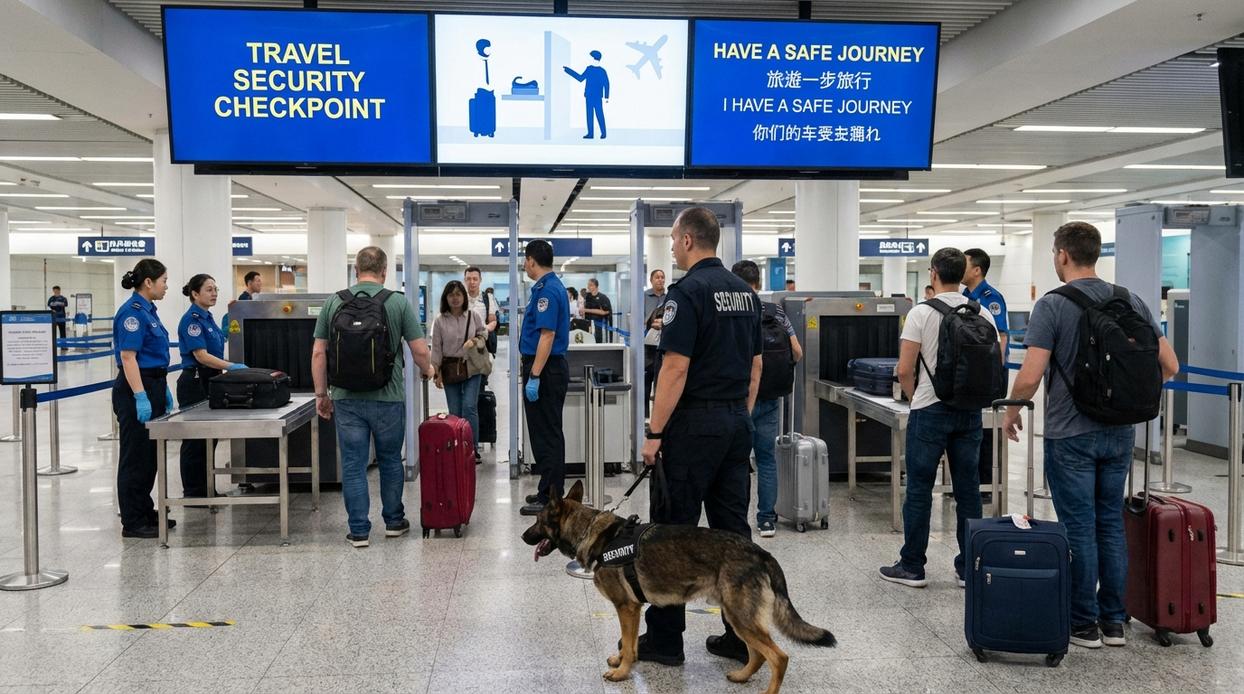
I used to think airport security was just controlled chaos. Then I watched my laptop disappear into the wrong gray bin.
The Security Checkpoint System
Here’s the mistake: I placed my laptop and wallet in a bin too early, then got distracted taking off my shoes. By the time I looked up, three identical bins had rolled forward. Panic is not a good travel companion. Since then, I only put valuables into a bin at the exact moment it enters the scanner—and I keep my eyes locked on it like it’s the last seat on a standby list. Theft at security checkpoints, while not rampant, does occur in busy hubs (TSA advises travelers to maintain visual contact with property at all times).
Carry-On vs. Checked Luggage
I learned this lesson the hard way when an airline misplaced my checked bag for two days. Medications, electronics, jewelry, and documents now stay with me. The rule is simple: if you can’t afford to lose it, don’t check it. Airlines mishandled over 26 million bags globally in 2022, according to SITA’s Baggage IT Insights report. Odds may be low—but not zero.
Securing Checked Bags
Locks help, but I add a small cable tie as a tamper-evident seal. If it’s broken, I know immediately. I also use a luggage tracker for peace of mind (think of it as Find My for your sanity).
In-Flight Security
Store your carry-on across the aisle, not overhead. It’s easier to monitor. And never stash valuables in seat-back pockets. When it comes to protecting valuables while traveling, small habits prevent big regrets.
On the Move: Staying Secure on Trains, Buses, and Taxis
Ground transit has one golden rule: maintain physical contact with your bags. Loop a strap around your leg on a train or bus, especially if you’re dozing off (because naps and unattended luggage are a thief’s favorite combo). This small habit is foundational to protecting valuables while traveling.
Storage strategy matters more than most guides admit. On trains, overhead racks aren’t inherently unsafe—but placement is everything. Position bags upside down with zippers facing inward, and avoid spots near doors where someone can grab and vanish at the next stop. Under-seat storage works best when the bag is wedged against your feet.
In taxis and rideshares, confirm the license plate and driver name before entering. Keep bags beside you in the back seat. Trunks create distance and leverage—disputes over fares occasionally turn into luggage standoffs, according to traveler reports and transport safety advisories (U.S. Department of Transportation).
Be hyper-aware during:
- Boarding
- Disembarking
- Ticket checks
These are distraction peaks. Wear backpacks on your front in dense crowds—yes, it feels awkward, but so did fanny packs before they came back in style.
For broader safety planning, review health precautions for international travel vaccines and beyond before departure.
Beyond the Physical: Protecting Your Digital Identity
Travel safety advice often focuses on passports and luggage, but protecting valuables while traveling now extends to your data. A stolen password can be more disruptive than a stolen wallet (and far harder to replace).
The Dangers of Public Wi‑Fi
Free airport or café Wi‑Fi is convenient, but unsecured networks allow cybercriminals to intercept data. Avoid logging into banking or email accounts on public networks. If you must connect, use a VPN (Virtual Private Network)—software that encrypts your internet traffic so outsiders see scrambled data instead of passwords.
Smartphone Security
- Use a strong passcode plus facial or fingerprint recognition.
- Enable Find My Phone before departure.
- Turn on automatic updates to patch security flaws.
Financial Alerts
Set real-time transaction alerts with your bank and credit cards. Immediate notifications help you freeze accounts within minutes, limiting damage and stress while abroad.
Travel with Confidence, Not Fear
By implementing a layered security strategy, you directly tackle the biggest cause of travel stress: uncertainty. Instead of hoping nothing goes wrong, you prepare for the most common risks. For example, using anti-theft bags, luggage trackers, and digital document backups creates multiple safety nets (think of it as a seatbelt plus airbags).
More importantly, protecting valuables while traveling becomes a habit—not a last-minute scramble at the airport. As a result, you shift from reactive to proactive. Review this guide before departure, test your gear, and set simple routines. With preparation handled, you can finally focus on the experience—not the “what ifs.”
Make Your Next Journey Safer, Smarter, and Stress-Free
You came here looking for practical ways to travel smarter and safer—and now you have the tools to do exactly that. From planning essentials to cultural awareness and protecting valuables while traveling, you’re better prepared to avoid the common mistakes that turn dream trips into stressful experiences.
Travel should feel exciting, not overwhelming. The biggest pain point for most travelers isn’t the destination—it’s the fear of something going wrong. Lost items, safety concerns, and poor planning can quickly derail your adventure. But with the right preparation and awareness, those risks shrink dramatically.
Now it’s your move. Put these tips into action before your next trip. Double-check your safety plan, secure your belongings, and map out key experiences ahead of time. For more trusted travel insights, practical safety strategies, and insider destination tips relied on by thousands of smart travelers, explore our latest guides and start planning with confidence today.

 Patrick Crockerivers is a purpose-driven travel writer focused on cultural depth, smart logistics, and cutting through hype with honest, experience-based insights.