
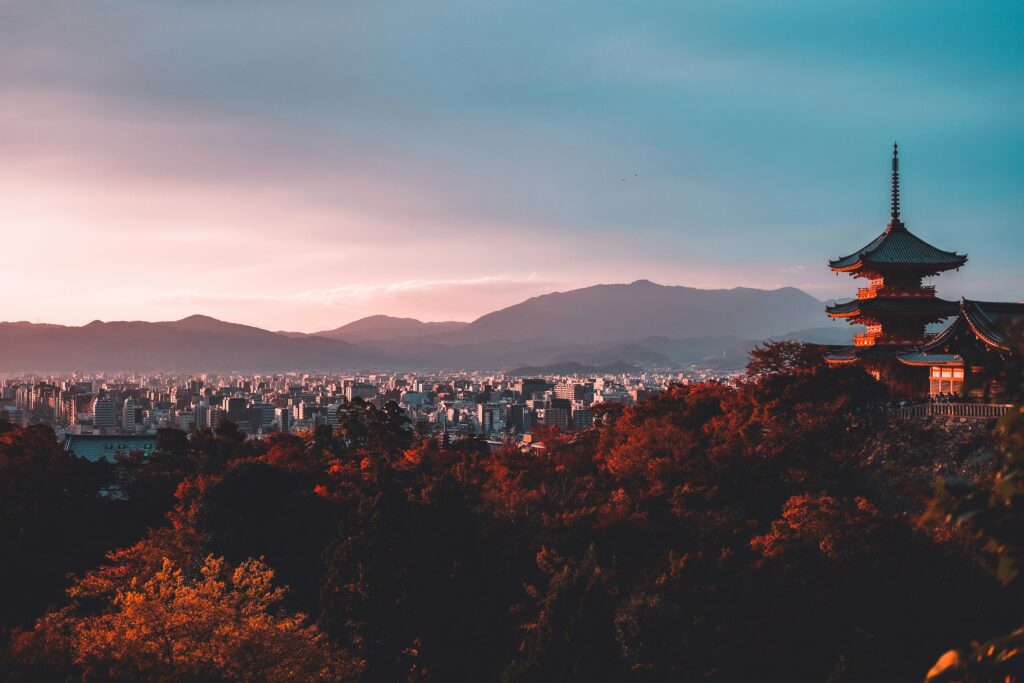
A good Japan trip planner should do more than stack Tokyo, Kyoto, Osaka, and Mount Fuji into a rushed checklist. Japan rewards travelers who leave space between the famous stops: time to get lost in a station basement, sit down for a proper lunch, follow a quiet side street behind a temple, or change plans because the rain made a garden look better than a viewpoint. The best route is not the one with the most pins. It is the one that still feels good on day six, when jet lag, train transfers, and tired feet start making decisions for the traveler.
Japan is easy to overplan because the country has excellent transport, endless food options, and a long list of places that look unmissable online. That convenience can become a trap.
Why a Japan Trip Planner Should Start With Travel Style
Before choosing cities, travelers need to be honest about the kind of trip they actually want. A first-time visitor who wants neon streets, food halls, pop culture, and late-night ramen will plan differently from someone looking for gardens, old towns, ryokan stays, hikes, or slower family days.
A useful Japan trip planner starts with three questions:
- Is the trip built around food, culture, nature, shopping, anime, photography, or family time?
- Is the traveller comfortable with early mornings and long train days?
Tokyo, Kyoto, and Osaka Need Different Energy Levels
The classic first trip often includes Tokyo, Kyoto, and Osaka. That route can work well, but each city asks for a different pace.
Tokyo is huge, and it should not be treated like one destination. Shinjuku, Asakusa, Ueno, Shimokitazawa, Ginza, Akihabara, and Nakameguro can feel like separate cities. Two or three neighborhoods in one day are usually enough unless the plan is built around quick photos and train rides.
Kyoto feels calmer on paper, but the famous areas can be crowded and spread out. Temples, buses, hills, and long walks add up quickly. A smart Kyoto day groups nearby places instead of crossing the city three times.
Osaka works best when travellers leave room for food and wandering. Dotonbori is loud and fun, but the city has more to offer than one glowing canal. Markets, casual restaurants, side streets, and late-night snacks are part of the point.
| City | Best for | Planning mistake to avoid |
| Tokyo | Neighbourhood exploring, shopping, food, museums | Treating the whole city like one compact area |
| Kyoto | Temples, gardens, traditional streets, day trips | Booking too many famous sites in one day |
| Osaka | Street food, nightlife, markets, casual wandering | Leaving no time for unplanned meals |
| Nara | Deer park, temples, slower day trip | Rushing it between two bigger cities |
| Hakone or Fuji area | Views, hot springs, nature breaks | Expecting clear mountain views every day |
Use Tech, But Do Not Let It Flatten the Trip
Planning tools are helpful when they save time without turning the whole journey into a schedule. A tool like a japan trip planner can help travelers sketch a route, compare ideas, and see how Tokyo, Kyoto, Osaka, and smaller stops might fit together before the booking stage.
The human part still matters. If one day includes a museum, two temples, a shopping street, a long train ride, and a dinner reservation across town, it may technically fit but still be a bad day. Japan is one of those places where removing one stop often makes the whole route better.
A Practical 7-Day Japan Route That Does Not Try Too Hard
A first Japan trip does not need to cover half the country. A tighter route usually gives travellers better memories.
Day 1: Tokyo Arrival
Land, check in, eat somewhere close, and take a short walk. This is not the day for a packed itinerary.
Day 2: Tokyo Neighbourhood Day
Choose two areas that match the traveller’s interests. For example, Asakusa and Ueno for old Tokyo and museums, or Harajuku and Shibuya for fashion, crowds, and city energy.
Day 3: Tokyo Food and Culture
Build the day around food halls, a museum, a park, and one evening area.
Day 4: Kyoto Transfer
Take the train to Kyoto, check in, and keep the afternoon light. A walk through Gion or along the Kamo River is better than racing to three temples.
Day 5: Kyoto Temples and Backstreets
Pick one main temple area and give it time. Early mornings help, but the day should still have breaks for lunch, coffee, and wandering.
Day 6: Nara or Osaka
Nara works well for a slower cultural day. Osaka works better for travelers who want food, lights, and a looser evening.
Day 7: Final City Day
Use the last day for missed places, shopping, or a neighborhood that felt worth revisiting. Small Japan Travel Habits That Save Time
A route becomes easier when the practical details are handled early. Japan is organized, but first-time travelers still lose time to small surprises.
Helpful habits include:
- keeping a coin pouch or small wallet for cash-only spots
- using station lockers when moving between cities
- planning luggage forwarding for longer routes
- saving hotel addresses in Japanese and English
- checking last train times before late dinners
- grouping restaurants and sights by neighbourhood
- leaving one loose evening every few days
A Better Way to Plan Food in Japan
Food planning should be loose enough to leave room for discovery. Famous restaurants can be worth booking, but some of the best meals happen because a small place looked busy, smelled good, or had a handwritten menu outside.
Department store basements, station food halls, market streets, ramen alleys, and neighborhood izakaya streets can all become easy backup plans. This keeps the trip flexible when a line is too long or the weather changes.
Japan Trip Planner: Final Route Check Before Booking
Before booking hotels and trains, every traveler should read the plan like a real day, not like a list. Where does breakfast happen? How long is the walk to the first station? Is there luggage that day? Is the afternoon too full? Does the route leave space for rain, queues, or getting tired?
A strong Japan trip planner helps shape the route, but the final version should still feel human. Japan is not a country to rush through just because the trains make it possible. The best trips leave room for the quiet parts: a vending machine coffee after a long walk, a small shrine with no crowd, a local bakery near the hotel, or an extra hour in a neighborhood that was never on the original list.

 There is a specific skill involved in explaining something clearly — one that is completely separate from actually knowing the subject. Ozirian Velmyre has both. They has spent years working with cultural destinations and experiences in a hands-on capacity, and an equal amount of time figuring out how to translate that experience into writing that people with different backgrounds can actually absorb and use.
Ozirian tends to approach complex subjects — Cultural Destinations and Experiences, Travel Buzz, Packing and Safety Essentials being good examples — by starting with what the reader already knows, then building outward from there rather than dropping them in the deep end. It sounds like a small thing. In practice it makes a significant difference in whether someone finishes the article or abandons it halfway through. They is also good at knowing when to stop — a surprisingly underrated skill. Some writers bury useful information under so many caveats and qualifications that the point disappears. Ozirian knows where the point is and gets there without too many detours.
The practical effect of all this is that people who read Ozirian's work tend to come away actually capable of doing something with it. Not just vaguely informed — actually capable. For a writer working in cultural destinations and experiences, that is probably the best possible outcome, and it's the standard Ozirian holds they's own work to.
There is a specific skill involved in explaining something clearly — one that is completely separate from actually knowing the subject. Ozirian Velmyre has both. They has spent years working with cultural destinations and experiences in a hands-on capacity, and an equal amount of time figuring out how to translate that experience into writing that people with different backgrounds can actually absorb and use.
Ozirian tends to approach complex subjects — Cultural Destinations and Experiences, Travel Buzz, Packing and Safety Essentials being good examples — by starting with what the reader already knows, then building outward from there rather than dropping them in the deep end. It sounds like a small thing. In practice it makes a significant difference in whether someone finishes the article or abandons it halfway through. They is also good at knowing when to stop — a surprisingly underrated skill. Some writers bury useful information under so many caveats and qualifications that the point disappears. Ozirian knows where the point is and gets there without too many detours.
The practical effect of all this is that people who read Ozirian's work tend to come away actually capable of doing something with it. Not just vaguely informed — actually capable. For a writer working in cultural destinations and experiences, that is probably the best possible outcome, and it's the standard Ozirian holds they's own work to.