
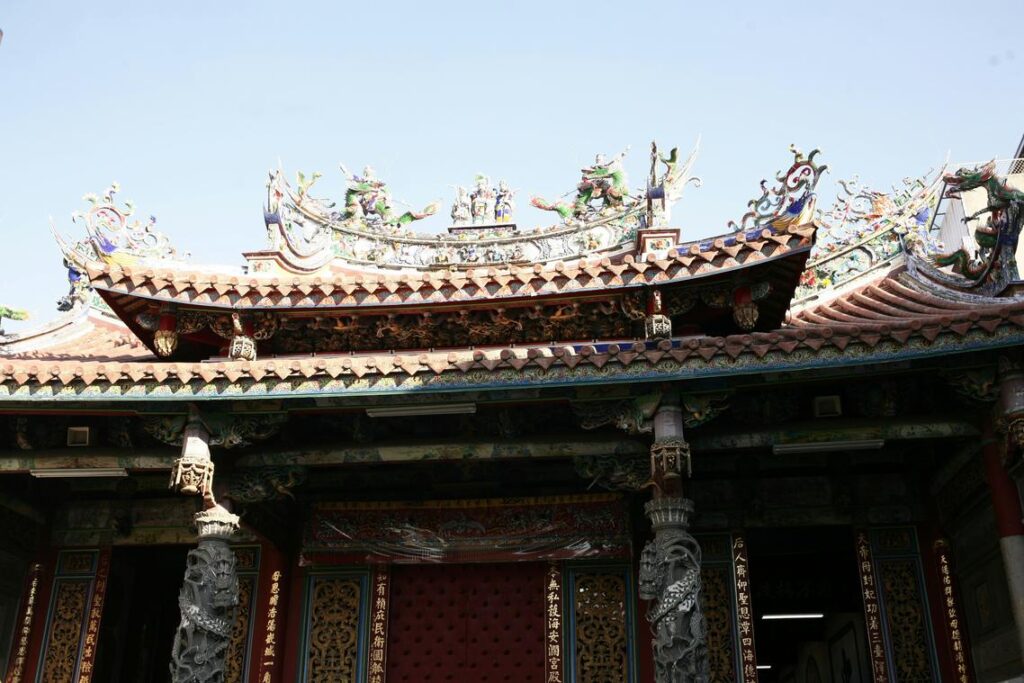
If you’re searching for lesser known asian destinations that offer authentic culture, unforgettable landscapes, and fewer crowds, you’re in the right place. Many travelers want experiences beyond the typical tourist hotspots—but finding reliable, practical guidance can be challenging. This article is designed to help you uncover hidden gems across Asia while giving you the essential planning tips, cultural insights, and safety considerations you need to travel confidently.
We’ve analyzed current travel trends, reviewed first-hand traveler experiences, and evaluated local recommendations to ensure every destination highlighted here delivers both adventure and authenticity. Whether you’re looking for remote mountain villages, untouched beaches, vibrant local festivals, or street food scenes few outsiders know about, this guide focuses on meaningful experiences that go beyond the guidebooks.
By the end, you’ll have clear, actionable insights to help you choose your next destination, plan smarter, and explore Asia in a way that feels both exciting and informed.
Beyond the neon skylines and temple queues lies a quieter Asia. According to UNWTO data, over 60% of visitors to Japan stay within Tokyo and Kyoto, leaving rural regions virtually untouched. That imbalance creates opportunity. In places like Nara’s Yoshino villages or Thailand’s Nan province, community tourism initiatives have increased local incomes by up to 30% (UNESCO reports), proving cultural travel can directly support preservation. These lesser known asian destinations offer:
- Living traditions, not staged performances
- Family-run homestays fostering real exchange
- Festivals untouched by mass tourism
Authenticity isn’t elusive; it’s simply off the main road. Seek them.
Luang Prabang, Laos: Where Time Slows to a Spiritual Rhythm
Luang Prabang isn’t just a destination—it’s a reset button. While many Southeast Asian cities race toward modernity, this UNESCO-listed town moves to a softer, spiritual rhythm. In fact, its blend of gilded temples, fading French colonial facades, and riverfront sunsets makes it feel suspended in time (in the best possible way).
If you do one cultural activity, make it this:
- Witness the dawn Tak Bat ceremony. At sunrise, saffron-robed monks walk silently through the streets collecting alms. Tak Bat refers to this daily act of offering sticky rice and simple food. However, participation requires respect: dress modestly, remain silent, sit lower than the monks, and never use flash photography. This is a sacred ritual, not a photo op.
Next, balance serenity with adventure. Hike to Kuang Si Falls, a multi-tiered cascade of surreal turquoise pools perfect for a cooling swim. Just nearby, the Tat Kuang Si Bear Rescue Centre rehabilitates Asiatic black bears rescued from the illegal wildlife trade—worth your time and support.
For exploring town, I strongly recommend renting a bicycle. The peninsula is compact, and cycling lets you drift between quiet lanes, ornate wats (Buddhist temples), and riverside cafés at your own pace. It’s far better than rushing by tuk-tuk.
Admittedly, some travelers argue Luang Prabang is no longer a secret. True—but compared to many lesser known asian destinations that quickly lose their charm to overdevelopment, this town fiercely protects its identity. Go slowly. That’s the whole point.
Bukhara, Uzbekistan: A Living Museum on the Silk Road
Everyone rushes to Samarkand. Glossy photos, grand squares, the Instagram glow. But here’s the contrarian take: Bukhara is the soul of Uzbekistan. While Samarkand performs, Bukhara whispers—and that whisper lingers longer.
Bukhara’s historic center feels less restored and more lived-in. A “madrassa” (an Islamic school of higher learning) isn’t just a monument here; it’s part of the city’s rhythm. Wander the labyrinthine alleys and you’ll stumble upon tiled courtyards, domed trading halls, and the towering Kalon Minaret, once a beacon for Silk Road caravans navigating the desert (think ancient GPS, minus the “recalculating”).
Some travelers argue Bukhara lacks the dramatic scale of other Silk Road cities. True—it doesn’t overwhelm you. But that’s the point. It invites you to slow down. To sit in a shaded courtyard mosque and imagine merchants debating philosophy and prices in equal measure.
For a deeper cultural connection, visit a workshop where artisans craft suzani embroidery—large, hand-stitched textiles traditionally made for weddings. These aren’t souvenirs churned out for tour buses; they’re skills passed down through generations. Watching the needlework unfold feels like time travel (without the sci-fi budget).
Use lesser known asian destinations in the section once exactly as it is given
Pro tip: Stay in a converted merchant’s house. Thick mud-brick walls keep rooms cool, and breakfast often includes homemade non bread fresh from a clay tandoor oven.
Spring (April–May) and fall (September–October) offer mild weather, avoiding the brutal summer heat. If you crave places with atmosphere over spectacle—like the secret beaches around the world youve probably never heard of—Bukhara delivers something rarer: authenticity that doesn’t try too hard.
Tainan, Taiwan: The Island’s Culinary and Historical Heart
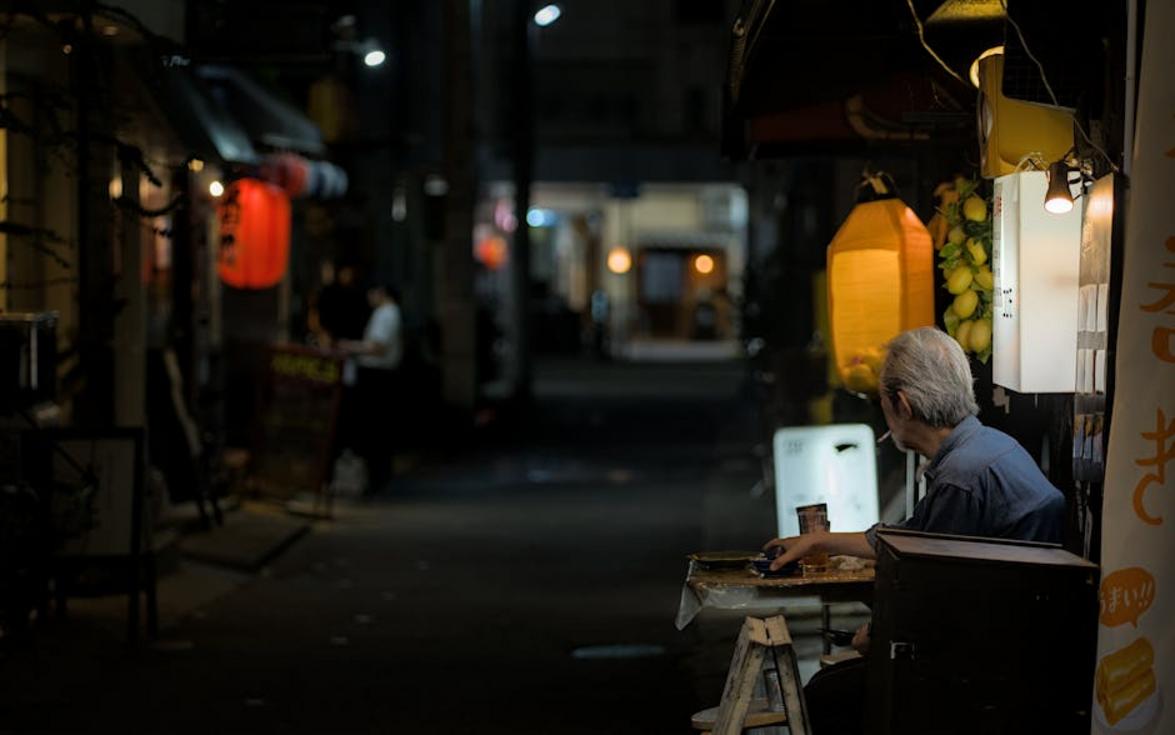
If Taipei is Taiwan’s modern pulse, Tainan is its memory. Founded in the 17th century, it’s the island’s oldest city—and understanding that context changes everything. When people call it the cultural capital, they’re referring to its dense concentration of temples, colonial relics, and traditional snack stalls packed into walkable neighborhoods.
Start in Anping District, where Fort Zeelandia stands as a reminder of Dutch rule (yes, Taiwan has layers). Nearby, the Anping Tree House looks like something out of a fantasy film: a banyan tree’s roots have overtaken an old warehouse, blurring the line between architecture and nature. It’s not abandoned—it’s preserved that way on purpose.
Tainan is also synonymous with xiao chi. The term literally means “small eats,” but that translation undersells it. Think snack-sized, hyper-specialized dishes perfected over generations. A simple way to approach it:
- Try coffin bread—thick toast hollowed and filled with creamy seafood or chicken.
- Slurp danzai noodles, originally sold by fishermen during the off-season.
- Finish with silky tofu pudding, served sweet with syrup.
Some argue Tainan feels too slow compared to Taipei’s energy. Fair. But that slower pace is precisely why flavors and traditions remain intact (heritage needs breathing room).
Trip planning is refreshingly simple: cluster your days by neighborhood. Many temples and food stalls sit within minutes of each other. Pro tip: arrive hungry and pace yourself.
Among lesser known asian destinations, Tainan proves that sometimes the oldest cities tell the richest stories.
Essential Planning for Off-the-Beaten-Path Travel
Planning remote adventures is thrilling, but details matter. Italy is easy; lesser known asian destinations require more homework. Visa rules shift, and I cannot promise government sites are always updated. Always double-check entry requirements weeks ahead.
- Download offline maps like Google Maps or Maps.me.
- Buy a local SIM or eSIM.
Cultural norms can surprise you; I’m not certain every village follows national trends. Dress modestly at temples, ask about tipping, share itineraries, carry copies, pack a basic first-aid kit. Preparation is not glamorous, but it prevents midnight panics. Think of it as insurance you control.
Your next journey starts with intention. Choose lesser known asian destinations like Luang Prabang, Bukhara, or Tainan to trade crowds for connection. Research local festivals, map neighborhood stays, and book family-run tours.
• Learn basic greetings before arrival.
Take one concrete step today and begin planning your authentic adventure now.
Start Exploring Beyond the Ordinary
You came here looking for inspiration, practical tips, and confidence to plan your next adventure—and now you have it. From smart planning strategies to cultural insights and safety essentials, you’re better prepared to travel with purpose and excitement.
The real challenge isn’t finding places to go. It’s avoiding overcrowded hotspots, missing authentic experiences, and wasting time on unreliable advice. That’s why exploring lesser known asian destinations can completely transform the way you travel—fewer crowds, deeper cultural connections, and unforgettable local adventures.
Now it’s your move. Start mapping out your next journey, use these tips to plan smarter, and choose destinations that offer something truly unique. If you’re ready for richer experiences, practical guidance, and trusted travel insights all in one place, explore more expert-backed travel resources today and turn your next trip into your best one yet.

 Patrick Crockerivers is a purpose-driven travel writer focused on cultural depth, smart logistics, and cutting through hype with honest, experience-based insights.