

Traveling alone can be one of the most empowering experiences you’ll ever have—but it also comes with unique challenges that require preparation and awareness. If you’re searching for practical, reliable solo travel safety tips, you’re likely looking for clear guidance on how to stay safe while still embracing adventure. This article is designed to give you exactly that.
We’ve analyzed common travel risks, reviewed global safety recommendations, and studied real traveler experiences to bring you advice that’s practical—not alarmist. From choosing secure accommodations and navigating unfamiliar transportation systems to protecting your personal information and trusting your instincts, we cover the essentials that matter most.
Whether you’re planning your first independent trip or you’re a seasoned solo explorer, you’ll find actionable strategies here to help you travel smarter, feel more confident, and focus on what truly matters—immersing yourself in new cultures and unforgettable experiences.
Embrace Your Solo Adventure with Confidence
Traveling alone carries a spark that’s hard to describe—part freedom, part fearless reinvention. Yet valid safety concerns exist. “What if something happens?” friends ask. That question can stall dreams.
Seasoned travelers often say, “Preparation turns fear into focus.” The difference isn’t luck; it’s tested strategy. Think solo travel safety tips like sharing itineraries, learning local customs, and trusting your instincts (they’re sharper than you think).
Confidence grows from clarity. As one backpacker told me, “Once I knew my plan, I could enjoy the view.” This guide delivers steps so you travel wisely and enjoy.
Your Safety Checklist Before You Even Pack
Preparation can make or break a trip. Plan smart now, relax later.
Destination Deep Dive
First, compare Surface Research vs. Deep Research. Surface research checks top attractions and weather. Deep research looks at local customs, neighborhood safety profiles, and common scams. For example, knowing that pickpocketing spikes on certain metro lines in Paris (as reported by the UK Foreign Office) changes how you carry your bag. In contrast, skipping this step leaves you reacting instead of preventing. Pro tip: Search local news in the destination’s language using auto-translate.
The Itinerary Lifeline
Next, consider Partial Sharing vs. Full Transparency. Sending “I’ll be in Rome” isn’t enough. Share flight numbers, hotel addresses, and daily plans with a trusted contact. If delays or emergencies happen, specifics matter. It’s the difference between “She’s somewhere in Italy” and actionable details.
Document Defense
Digital Only vs. Digital + Physical Copies? Always choose both. Keep encrypted cloud copies and paper copies stored separately from originals. If your passport is lost, backups accelerate embassy help.
Strategic Packing
Finally, Bulky Flashy Luggage vs. Light and Inconspicuous. Mobility increases safety. Add essential gear: portable door lock, personal alarm, backup power bank. These solo travel safety tips aren’t paranoia—they’re preparation.
Mastering the Art of Situational Awareness
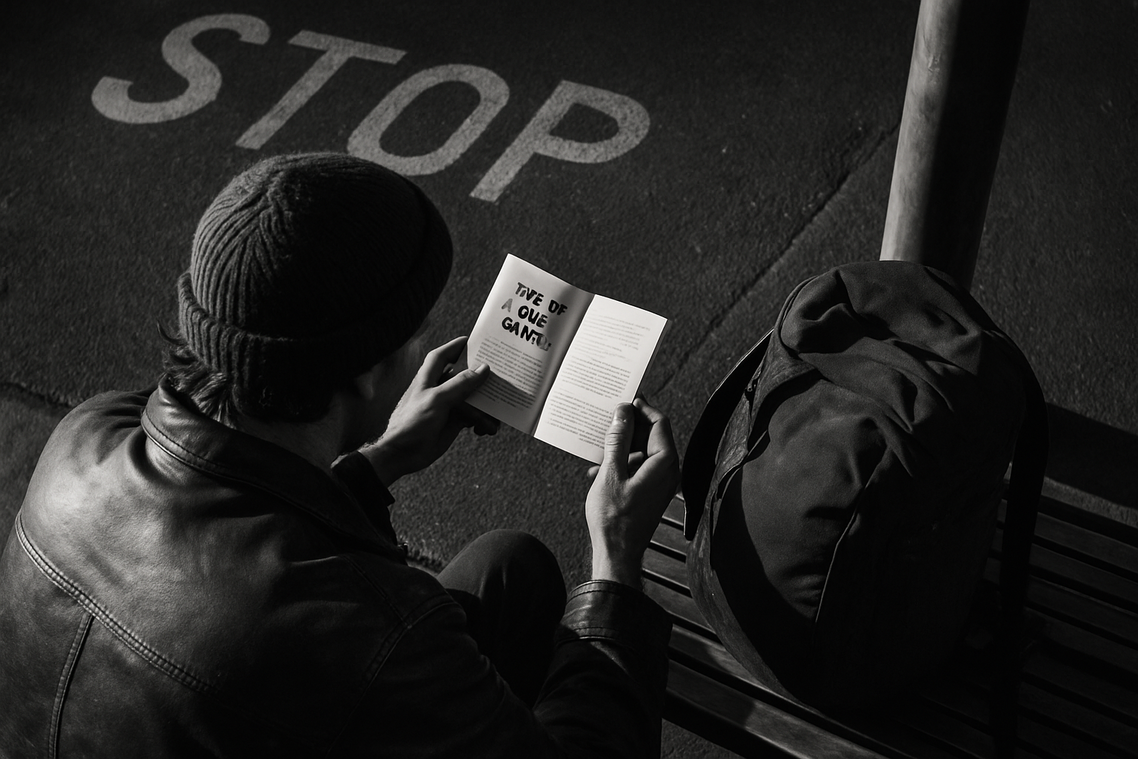
Confidence is your first layer of protection. Walk with purpose, keep your head up, and scan your surroundings without looking anxious. Body language—nonverbal signals we send through posture and movement—often determines whether you’re perceived as an easy target. Some argue that danger is random and posture doesn’t matter. However, criminology research suggests offenders often select targets who appear distracted or unsure (U.S. Department of Justice). In other words, looking lost can invite attention (and not the good kind).
The Chameleon Approach
Next, blend in. Dress like locals rather than broadcasting “tourist.” Neutral colors, practical shoes, and regionally appropriate styles reduce visibility. Think less “influencer on location,” more “person who lives here.” As global travel rebounds, I speculate we’ll see smarter, tech-integrated clothing designed specifically for low-profile security—though that’s a prediction, not a guarantee.
Equally important is valuables management. Flashing high-end phones or jewelry can make you memorable for the wrong reasons. Use anti-theft bags (designed with lockable or slash-resistant features), and split cash and cards between your wallet, bag, and hotel safe. For deeper strategies, read how to protect your valuables while traveling abroad. Pro tip: keep a small “decoy” wallet with limited cash.
Most importantly, trust your gut instinct. Intuition—your brain processing subtle cues subconsciously—is powerful. If something feels off, leave immediately. No apology required.
Finally, nighttime navigation demands extra care. Pre-book reputable transportation, stay in well-lit areas, and plan routes in advance. These solo travel safety tips aren’t paranoia—they’re preparation. And preparation, as any seasoned traveler knows, is freedom.
Choosing Safe Havens and Smart Transit
When booking accommodation, I never just glance at the photos. Instead, I scan recent reviews for any mention of safety, noise, or sketchy activity. If three guests say the lock felt flimsy, I listen. Then I open a map and study the neighborhood for transit access and well lit streets. Personally, I prioritize places with 24/7 reception because a staffed front desk adds accountability.
That said, even the best hotel needs backup habits. I double check every lock, wedge a small travel doorstop under the handle, and keep my room number private. It sounds paranoid, but it is basic risk management. These solo travel safety tips have saved me stress more than once.
Transportation Tactics
Next, getting around demands equal vigilance. With ride sharing apps, I verify the license plate, driver photo, and name before opening the door. If anything feels off, I cancel. Likewise, I choose clearly marked official taxis and keep bags zipped on crowded buses or trains. In my view, confidence plus caution beats blind trust every time. After all, smart planning turns uncertainty into manageable adventure rather than a headline waiting to happen for careless travelers everywhere today.
Protecting Your Digital and Financial Footprint
Public Wi-Fi feels convenient, but it’s an open door. A VPN (Virtual Private Network, a tool that encrypts your internet connection) turns that door into a vault. Coffee-shop Wi-Fi without a VPN vs. Wi-Fi with one is the difference between whispering your bank PIN in a crowd and locking it in a safe. Hackers scan unsecured networks routinely.
Financial preparedness works the same way: surprise your bank with charges, and your card may freeze. Notify travel dates ahead of time. Carry two payment types—card and cash—because Card A failing vs. Card B backing you up can make or break a night.
| Strategy | Benefit |
|———-|———-|
| No VPN | Data exposed |
| VPN enabled | Encrypted protection |
Keep an emergency stash split from your wallet, including local currency and USD/EUR. Finally, write down embassy numbers, hotel address, and contacts for solo travel safety tips in case your phone dies or disappears.
Your Journey, Your Rules
Being a safe solo traveler is not about fear; it is about preparation and empowerment. According to a 2023 Solo Traveler World survey, 76% of respondents felt more confident after researching destinations in advance. That evidence matters. Moreover, proactive planning directly eases common anxieties about getting lost, overspending, or facing scams. In fact, consider three essentials:
- Pre-trip research.
- Situational awareness.
- Smart decision-making.
Together, these solo travel safety tips transform uncertainty into capability. So, as you plan next, trust the data and trust yourself. Your adventure is waiting. Confidence grows each mile you travel alone. Start today.
Plan Smarter and Travel Safer
You set out to find practical ways to travel smarter, stay prepared, and experience more with confidence—and now you have a clear roadmap to do exactly that. From smarter packing and cultural awareness to planning tools and local insights, you’re better equipped to explore without unnecessary stress.
Travel uncertainty can turn an exciting trip into an overwhelming one. Safety concerns, missed details, and lack of preparation are what hold most travelers back. By applying these strategies—especially proven solo travel safety tips—you reduce risk, protect your peace of mind, and make space for unforgettable experiences.
Now it’s time to take action. Start mapping out your next destination, double-check your safety plan, and use trusted travel resources to guide every step. Thousands of travelers rely on expert-backed insights to plan confidently—so don’t leave your trip to chance.
Your next adventure deserves preparation, confidence, and smart decisions. Start planning today and travel knowing you’ve done it right.

 Patrick Crockerivers is a purpose-driven travel writer focused on cultural depth, smart logistics, and cutting through hype with honest, experience-based insights.