
Travel is evolving faster than ever, and today’s explorers want more than just a checklist of landmarks. If you’re searching for the latest travel buzz, practical trip planning tips, meaningful cultural experiences, local adventure highlights, and essential safety guidance, you’re in the right place. This article is designed to help you navigate modern travel with clarity and confidence—whether you’re planning your first international trip or refining your next immersive getaway.
We’ve analyzed emerging sustainable tourism trends, reviewed updated safety recommendations, and examined insights from seasoned travelers and global travel data to ensure the information you’re reading is timely and reliable. Our goal is simple: cut through the noise and deliver actionable advice that helps you travel smarter, safer, and more responsibly.
From uncovering authentic local experiences to understanding how global travel shifts may impact your plans, this guide equips you with the knowledge you need to make informed, rewarding travel decisions.
Travel used to mean snapping a photo, buying a souvenir, and moving on. Today, it means asking harder questions: Who benefits from my visit? What impact do I leave behind? Many travelers want to tread lightly, yet feel overwhelmed by conflicting advice. Is skipping plastic straws enough? Not quite.
This guide cuts through the confusion. You’ll learn practical ways to support local economies, choose low-impact transportation, and evaluate eco-certifications without guesswork. We’ll break down the most relevant sustainable tourism trends and show how to apply them on your next trip—so your journey gives back as much as it takes.
Trend 1: The Shift from Sustainable to Regenerative Travel
Let’s clarify a term that often gets blurred together in travel marketing: sustainable versus regenerative.
Sustainable travel means minimizing harm—reducing waste, conserving water, respecting wildlife, and aiming to leave no trace. Think of it as maintaining the status quo. Regenerative travel goes a step further. It actively improves a destination, restoring ecosystems, strengthening local economies, and deepening cultural preservation. Instead of just “do no harm,” it asks: how can I leave this place better than I found it?
Real-world examples make this clearer. Joining a local reforestation project in Costa Rica, staying at a safari lodge that funds anti-poaching units, or participating in coral reef monitoring as part of a citizen science program—all are regenerative. You’re not just observing paradise; you’re investing in it (and yes, that feels different).
Some skeptics argue this is just a rebrand of sustainable tourism trends. Fair point. But the distinction matters. Sustainability stabilizes. Regeneration rebuilds.
So how can travelers participate?
• ASK DIRECT QUESTIONS: How does this tour directly benefit the local ecosystem or community?
• Request transparency on where conservation fees go.
• Look for measurable outcomes, not vague promises.
Pro tip: If an operator can’t clearly explain their impact in a few sentences, that’s a red flag.
The payoff isn’t just environmental. Travelers often report a deeper emotional connection when contributing meaningfully. After all, isn’t travel more memorable when you become part of the story rather than just passing through?
Trend 2: Hyper-Localism and Community-Centric Journeys
Travelers are increasingly trading generic itineraries for hyper-local, community-centered experiences. In other words, instead of passively consuming a destination, they’re participating in it. This shift reflects broader sustainable tourism trends, where the goal is simple: ensure tourism dollars directly benefit the people who call a place home.
First, consider the economic impact. When you book a locally owned guesthouse rather than a global hotel chain, more of your payment stays within the community. The same goes for dining at family-run restaurants or hiring certified local guides. According to the World Travel & Tourism Council, small and medium-sized enterprises make up around 80% of tourism businesses globally, meaning your choices can meaningfully shape local economies. Even small decisions—like choosing a neighborhood café over a souvenir megastore—create ripple effects.
Equally important is cultural preservation. When artisans sell handmade textiles at local markets, or performers stage traditional dances for engaged visitors, there’s a direct financial incentive to keep those traditions alive. Without that support, many crafts and heritage practices risk fading away (and nobody wants a world where every city feels like the same airport terminal).
So, how do you do it well? Look for booking platforms that vet accommodations for community impact, prioritize walking tours led by residents, and seek out farmers’ markets instead of tourist malls. Pro tip: ask locals where they eat—if there’s no English menu, you’re probably in the right place. Ultimately, hyper-local travel turns your trip into a partnership, not just a purchase.
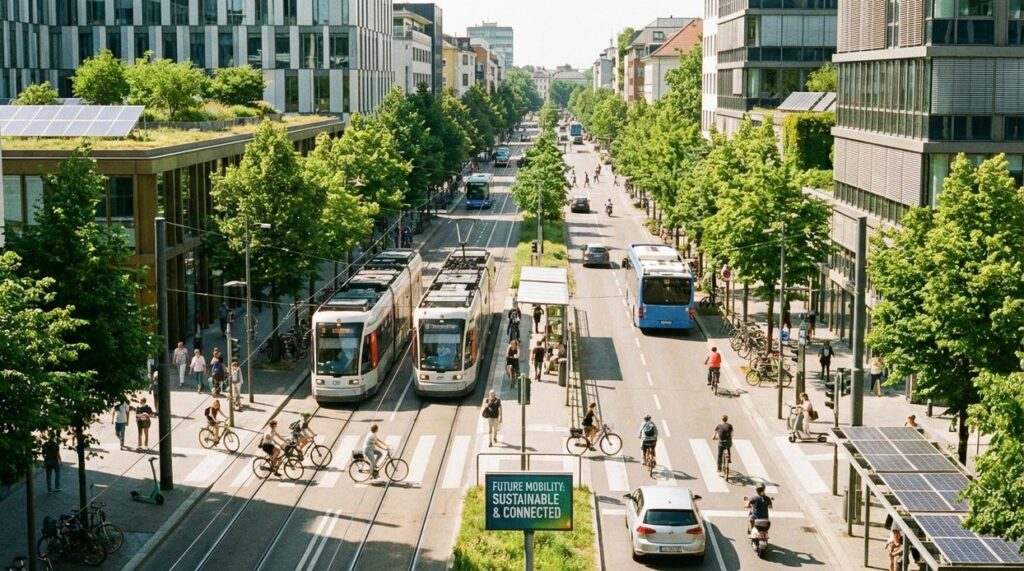
Trend 3: The Rise of Slow and Low-Carbon Transportation

The Problem with Speed
Air travel is fast, convenient—and carbon intensive. A single long-haul roundtrip flight can emit over 1–2 metric tons of CO2 per passenger (International Energy Agency). That’s more than many people produce in a year in some countries. It’s no surprise the “flight shame” movement—social pressure to reduce flying to cut emissions—has gained traction across Europe and beyond. Speed, it turns out, comes at a CLIMATE COST.
The “Slow Travel” Solution
Slow travel prioritizes lower-emission transport like trains, buses, or cycling while encouraging deeper cultural immersion. Instead of hopping cities in 48 hours, you EXPERIENCE them. (Yes, that means fewer airport security lines.) Rail travel, for example, can emit up to 90% less CO2 than short-haul flights (European Environment Agency).
Emerging Alternatives
- Electric vehicle rentals for flexible, lower-emission road trips
- Expanded long-distance train networks across Europe and Asia
- Tour operators offering flight-free itineraries
These shifts align with broader sustainable tourism trends reshaping how we move.
Practical Planning
- Use carbon calculators like ICAO’s to estimate trip emissions
- Offset unavoidable flights through verified programs
- Leverage tools highlighted in ai and travel planning how technology is transforming trips to optimize routes
Pro tip: BOOK EARLY for rail deals—seats sell out faster than you think.
Trend 4: Technology as a Force for Good
Digital tools are reshaping how conscious travelers explore. For example, HappyCow helps users find vegan restaurants in over 180 countries, while platforms like BookDifferent highlight certified eco-tours and green hotels. Meanwhile, apps such as MyClimate let you calculate travel emissions, a step experts say increases offset participation by 30 percent (UNWTO). Then, refill station locators like Refill reduce single-use plastics, which the UN estimates exceed 400 million tons annually. Admittedly, some argue apps create digital overload; however, data shows tech-enabled choices align with sustainable tourism trends and measurable impact. Pro tip: compare.
Travel has changed. What started as remembering a reusable bottle has grown into a movement rooted in regeneration, respect, and real community connection. I genuinely believe this shift matters. Conscious choices are no longer fringe—they’re shaping itineraries, accommodations, and expectations worldwide.
And here’s my take: embracing sustainable tourism trends doesn’t water down your adventure; it deepens it. You taste better food, hear truer stories, meet people beyond the postcard version. That’s not sacrifice—that’s upgrade.
For your next trip, try just one small change. Book locally. Stay longer. Ask questions. Small steps create lasting impact. It starts with simple intention today.
Plan Smarter, Travel Better
You came here looking for clarity on where travel is heading and how to make better, more meaningful choices for your next adventure. Now you understand how sustainable tourism trends are shaping the way we explore the world — from eco-conscious stays to community-based experiences and responsible travel planning.
Modern travelers don’t just want a trip. They want purpose, safety, cultural depth, and value for their time and money. The frustration of overcrowded destinations, hidden costs, and surface-level experiences is real — but it doesn’t have to define your journey.
The smartest move you can make now is to plan with intention. Choose destinations and experiences that align with responsible practices, support local communities, and prioritize safety without sacrificing adventure.
If you’re ready to travel with confidence and purpose, explore our expert-backed guides and curated insights trusted by modern travelers worldwide. Discover smarter routes, safer strategies, and culturally rich experiences — and start planning your next unforgettable journey today.

 Paul Shoveroller has opinions about cultural destinations and experiences. Informed ones, backed by real experience — but opinions nonetheless, and they doesn't try to disguise them as neutral observation. They thinks a lot of what gets written about Cultural Destinations and Experiences, LWMF Local Adventure Highlights, Hidden Gems is either too cautious to be useful or too confident to be credible, and they's work tends to sit deliberately in the space between those two failure modes.
Reading Paul's pieces, you get the sense of someone who has thought about this stuff seriously and arrived at actual conclusions — not just collected a range of perspectives and declined to pick one. That can be uncomfortable when they lands on something you disagree with. It's also why the writing is worth engaging with. Paul isn't interested in telling people what they want to hear. They is interested in telling them what they actually thinks, with enough reasoning behind it that you can push back if you want to. That kind of intellectual honesty is rarer than it should be.
What Paul is best at is the moment when a familiar topic reveals something unexpected — when the conventional wisdom turns out to be slightly off, or when a small shift in framing changes everything. They finds those moments consistently, which is why they's work tends to generate real discussion rather than just passive agreement.
Paul Shoveroller has opinions about cultural destinations and experiences. Informed ones, backed by real experience — but opinions nonetheless, and they doesn't try to disguise them as neutral observation. They thinks a lot of what gets written about Cultural Destinations and Experiences, LWMF Local Adventure Highlights, Hidden Gems is either too cautious to be useful or too confident to be credible, and they's work tends to sit deliberately in the space between those two failure modes.
Reading Paul's pieces, you get the sense of someone who has thought about this stuff seriously and arrived at actual conclusions — not just collected a range of perspectives and declined to pick one. That can be uncomfortable when they lands on something you disagree with. It's also why the writing is worth engaging with. Paul isn't interested in telling people what they want to hear. They is interested in telling them what they actually thinks, with enough reasoning behind it that you can push back if you want to. That kind of intellectual honesty is rarer than it should be.
What Paul is best at is the moment when a familiar topic reveals something unexpected — when the conventional wisdom turns out to be slightly off, or when a small shift in framing changes everything. They finds those moments consistently, which is why they's work tends to generate real discussion rather than just passive agreement.