
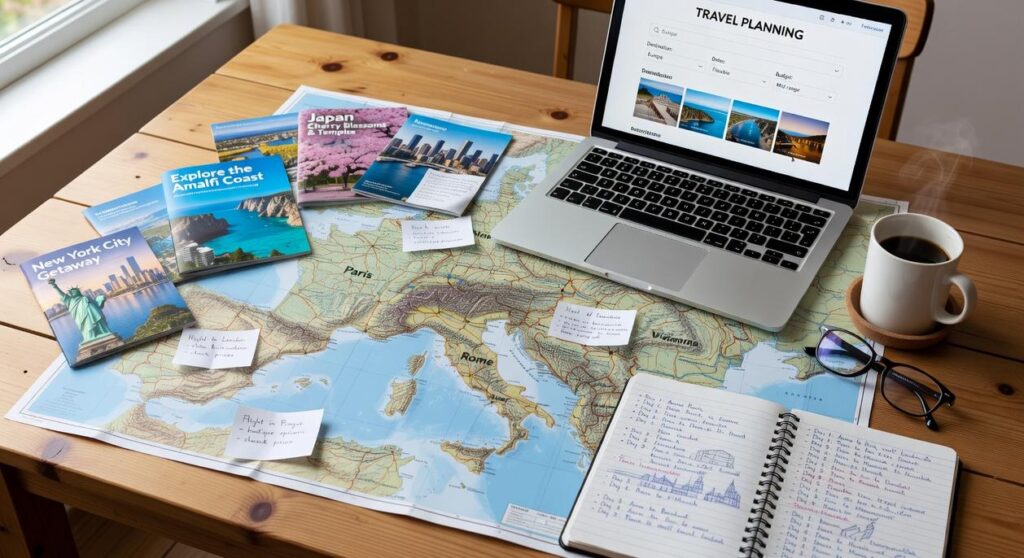
Travelers today aren’t just looking for places to visit—they’re searching for meaningful experiences, practical planning advice, and reliable insights that make every journey smoother and more memorable. Whether you’re mapping out your next adventure, curious about cultural highlights, or prioritizing safety and smart budgeting, this article is designed to give you exactly what you need.
With destinations evolving and trends like the slow travel movement reshaping how people explore the world, it’s more important than ever to have up‑to‑date, experience‑driven guidance. We’ve analyzed current travel patterns, reviewed local recommendations, and examined essential safety considerations to ensure the information here is both relevant and trustworthy.
In this guide, you’ll discover practical trip planning tips, cultural insights worth experiencing, local adventure highlights, and key safety essentials—all aligned with what modern travelers are actively searching for. Let’s help you travel smarter, deeper, and with greater confidence on your next journey.
The Art of Unrushed Exploration: Beyond the Checklist
A seven-cities-in-seven-days blur fades fast. But a single morning at a neighborhood café abroad can linger for years.
Too often, travelers return home more exhausted than restored, having skimmed the surface. Instead, try this depth-first approach inspired by the slow travel movement:
- Choose one neighborhood and explore it on foot.
- Sit at the same café twice; notice what changes.
- Ask a local for one recommendation, then follow it without overplanning.
Meanwhile, build white space into your itinerary; unstructured hours invite serendipity. Pro tip: schedule only one “must-see” per day. Memories deepen accordingly.
Why Trading Miles for Moments is the Ultimate Travel Upgrade
I once tried to “see” four European cities in six days. By day three, cathedrals blurred together, my suitcase felt heavier than my curiosity, and I was surviving on espresso and Google Maps. This is the downside of fast travel—tourist burnout, surface-level interactions, and the low-grade stress of constant transit (airports at dawn are not romantic).
However, when I returned to Lisbon and stayed a month, everything changed. Genuine cultural immersion began with small things: recognizing the bakery’s opening rhythm, learning that “uma bica” meant espresso, and finding a tucked-away fado bar not listed on any “Top 10” guide. Staying longer lets you understand daily life, not just landmarks.
As a result, meaningful connections follow. Becoming a regular at a café turned nods into conversations, and conversations into dinner invitations. You shift from transactional tourism to shared humanity.
Moreover, reduced stress invites serendipity. With a relaxed itinerary, I discovered a neighborhood festival purely by accident. Psychologists note slower, less rushed experiences can reduce stress and improve well-being (American Psychological Association).
Finally, the slow travel movement supports sustainable tourism by concentrating spending locally.
| Fast Travel | Staying Longer |
|————-|—————-|
| Checklist sightseeing | Daily life immersion |
| Constant transit stress | Relaxed exploration |
| Surface interactions | Real relationships |
Blueprint for a Deep-Dive Trip: Planning & Preparation
Choosing Your Hub
First, pick a single city, town, or region as your base. Think of your “hub” as your home rhythm—the café where the espresso machine hisses each morning, the corner bakery perfuming the street with warm bread. Prioritize walkability (meaning you can reach daily essentials on foot) and easy access to buses or trains. Some travelers argue that hopping between multiple cities maximizes sightseeing. Yet constantly packing and unpacking can dull your senses and fragment your experience. Staying put lets a place unfold slowly, like a favorite vinyl record revealing hidden notes.
Accommodation Is Key
Next, consider where you sleep. A local apartment or guesthouse often immerses you in neighborhood life—the clatter of dishes at dinner, children playing in the courtyard—while isolated tourist hotels can feel sealed off and predictable. Of course, hotels offer convenience and 24/7 service. However, if connection is your goal, proximity to daily life matters more than plush lobbies.
Crafting a Flexible Itinerary
Then, apply the “one anchor per day” rule: plan one must-do activity and leave space for wandering. Maybe you tour a museum in the morning, then follow the scent of street food in the afternoon. Overplanning can suffocate spontaneity (and joy).
Packing for Immersion
Pack versatile, comfortable clothing that blends in. Neutral layers help you adapt to weather and settings without screaming “tourist.”
Essential Pre-Trip Research
Finally, research local holidays, market days, and etiquette. Understanding customs enhances respect and aligns with the slow travel movement. For broader context, explore sustainable tourism trends every traveler should know. Pro tip: learn a few key phrases—the sound of a sincere “thank you” opens doors everywhere.
On the Ground: How to Live Like a Local (Temporarily)
Ever notice how easy it is to land somewhere new and immediately feel like an outsider clutching a map? The overpriced taxis. The tourist menus. The awkward “Where am I?” spiral. If that sounds familiar, you’re not alone.
Master Public Transportation
Skip the ride-hailing app (yes, even when it’s raining). Buses and metros reveal a city’s real rhythm—who’s commuting, where neighborhoods shift, how far districts actually are. Public transit is more than infrastructure; it’s a living map. According to the American Public Transportation Association, communities with strong transit systems often see higher local engagement and economic activity. Translation: you’ll see daily life in motion.
Embrace the Neighborhood Market
Markets can feel chaotic at first (why is everyone moving so fast?). Try this:
- Walk one full lap before buying anything.
- Ask, “How much is this?” and compare prices.
- Choose one unfamiliar fruit or snack.
- Pay in small bills to avoid the sighs and eye-rolls.
Street food isn’t just convenient—it’s culture on a plate.
The Power of a Simple Routine
Pick one ritual. The same bakery. The same park bench. Familiar faces turn nods into conversations. It’s a small act, but it builds belonging.
Learn Five Key Phrases
Beyond hello and thank you, add: “Excuse me,” “How much is this?” “Where is the restroom?” Confidence replaces confusion.
The Art of Wandering
Put your phone away for an afternoon. Get slightly lost. Follow curiosity. The slow travel movement calls this intentional immersion—and it works.
Because the biggest frustration? Visiting everywhere and connecting nowhere.
Safety and etiquette shape every meaningful journey. First, practice situational awareness by slowing your pace; a leisurely walk gives your brain time to notice exits, traffic patterns, and local rhythms. This mirrors the slow travel movement, which values depth over speed. Next, approach photography thoughtfully. Before lifting your camera, make eye contact, smile, and ask permission—especially in markets or villages. If someone declines, respect it and move on. Finally, learn cultural basics in advance. For example, tipping 10–15% is standard in the U.S., but rounding up suffices in Japan (World Tourism Organization). Small courtesies prevent big misunderstandings and build trust.
Begin Your Journey
Rushed, checklist tourism leaves you with photos but few feelings. I’ve done it, sprinting through landmarks like a contestant on a reality show, and it always feels hollow.
I believe even one principle from the slow travel movement can change everything. Stay longer. Linger. Talk to baristas. Miss a train on purpose (sometimes that’s where the story starts).
Here’s your first step:
- Plan your next trip around one hub city, exploring its neighborhoods deeply instead of stacking stops.
Do that, and watch moments turn into memories. Trust me, depth beats speed every single time. Quality over quantity, always truly.
Make Your Next Journey More Meaningful
You set out looking for smarter, more enriching ways to explore the world—and now you have the insight to do exactly that. By embracing the slow travel movement, you’re not just checking destinations off a list. You’re choosing deeper cultural connections, safer planning, and experiences that actually feel memorable.
Rushed trips often leave travelers overwhelmed, missing the local magic, and wishing they had planned differently. Slowing down solves that. It gives you clarity, confidence, and the chance to experience places the way they’re meant to be experienced.
Now it’s your move. Start planning your next journey with intention—research local experiences, prioritize safety essentials, and build an itinerary that allows you to truly connect. Join thousands of mindful travelers who are redefining the way we explore. Dive into expert travel tips, discover hidden gems, and begin crafting a trip that feels personal, purposeful, and unforgettable today.

 Paul Shoveroller is a sharp, experience-driven travel author delivering practical insights, cultural awareness, and honest guidance for travelers who value substance.