
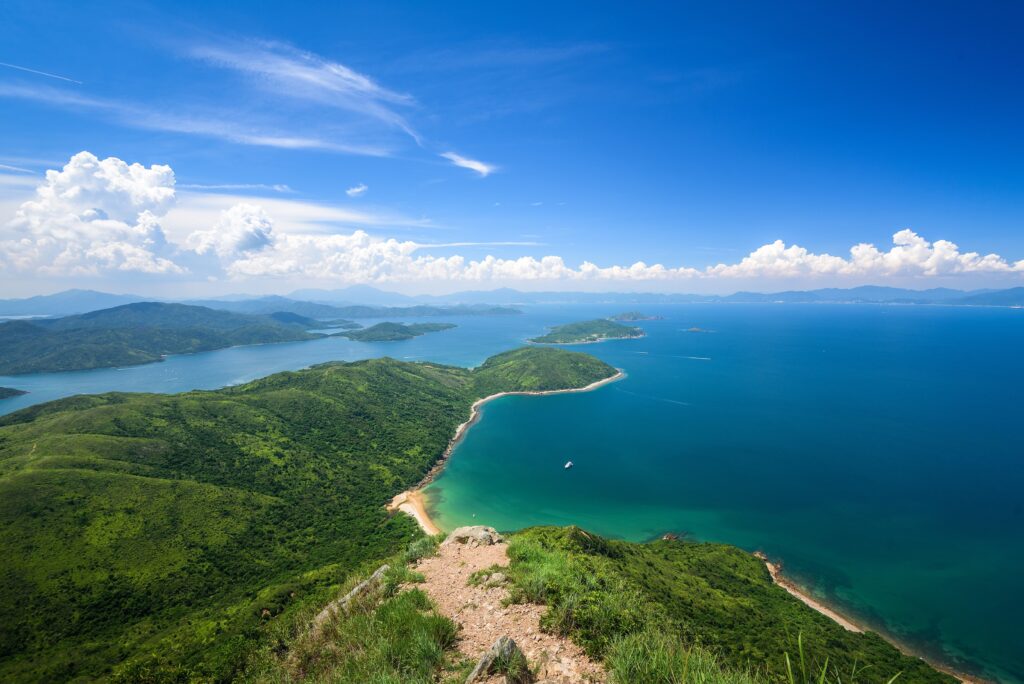
Here is the thing nobody tells you before you book: Phuket is not one place. It is a large island — the size of Singapore — and choosing the wrong area can ruin a trip. Stay in Patong when you wanted calm and you’ll spend a week counting down to checkout. Book a quiet hillside villa when you wanted buzz and you’ll find yourself paying ฿400 for a taxi every time you want a beer. The area decides everything: noise level, beach quality, price, crowd density, and the overall texture of your days.
This guide doesn’t just list what each area looks like on a sunny morning. It tells you who each one actually suits — including some hard truths about Phuket’s most famous beach — and covers what you need to know if you’re thinking beyond a single trip.
We’ll go area by area, hit the best-time-to-visit question directly, and close with a note on a subject more travellers are asking about: what it looks like to stay longer, or stay permanently.
A Quick Orientation
Phuket’s best beaches are almost all on the west coast, facing the Andaman Sea. Running roughly north to south, the main areas are: Bang Tao, Surin, Kamala, Patong, Karon, Kata and Kata Noi, then Rawai and Nai Harn in the south. Phuket Old Town sits inland on the east side of the island. The north — Mai Khao and Nai Yang — is quieter still, mostly local, and near the airport.
Budget travellers and first-timers tend to cluster around Patong and Karon. Families with children gravitate toward Bang Tao or Kata. Couples and long-stay residents tend to land in Kamala, Surin, or Rawai. Keep that rough hierarchy in mind as you read through.
Patong: Phuket’s Most Famous Beach — and Its Most Polarising
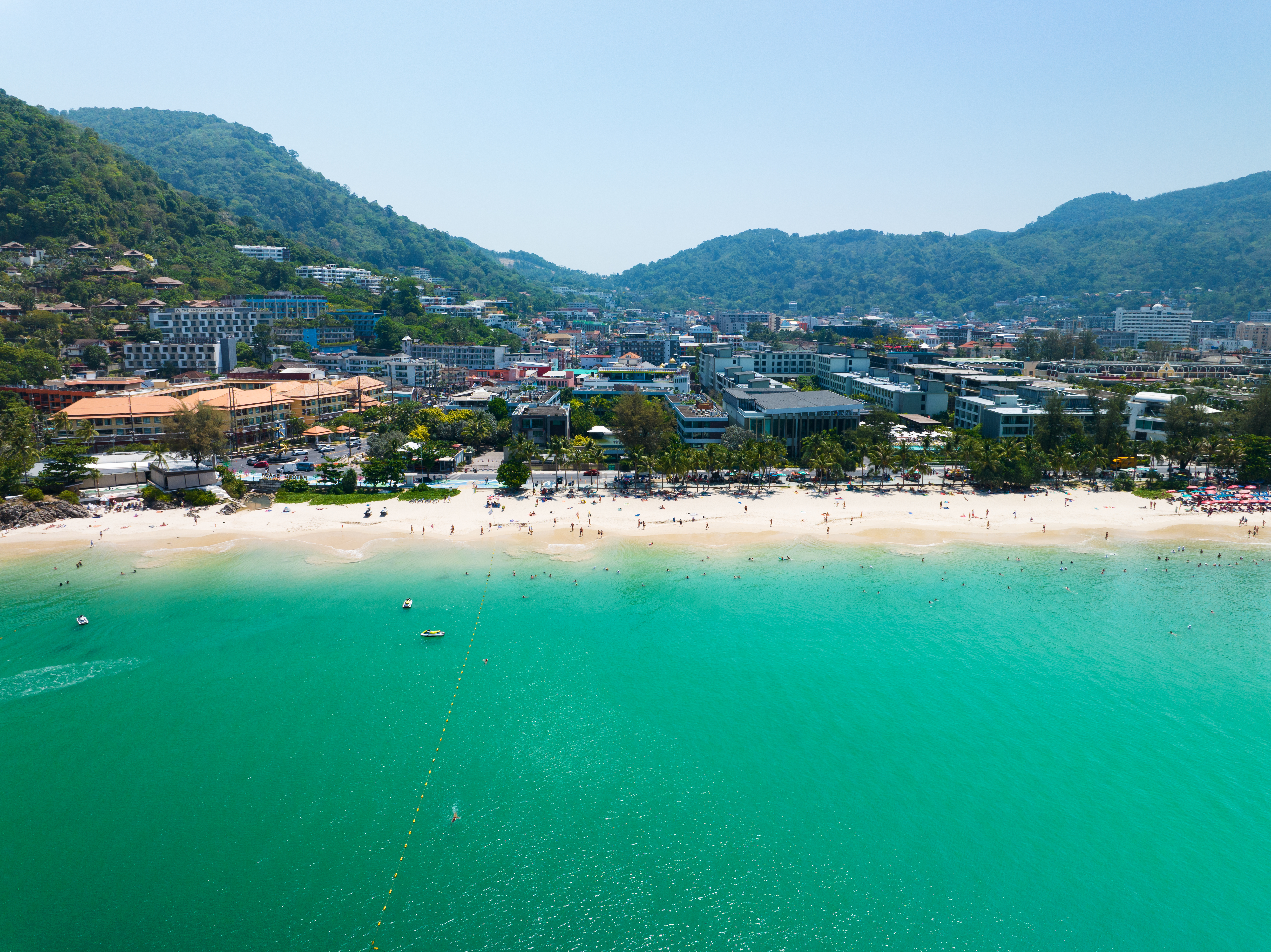
Patong is the first answer most people get when they ask where to stay in Phuket, and it is also the answer that disappoints the most people. That is not a coincidence — it is a mismatch between the image and the reality.
The reality: Patong is Thailand’s most developed beach resort. Bangla Road, its famous strip, is exactly what it looks like in the photos — loud, neon-lit, commercial, and operating until dawn. The beach itself is wide and swimmable but routinely packed, and water quality has historically been inconsistent during peak months. Everything you need is within walking distance: hundreds of restaurants, pharmacies, 7-Elevens, massage parlours, tour operators, and more guesthouses than you could stay in across a lifetime.
Who Patong is actually right for
- First-time visitors to Thailand who want maximum convenience and easy access to organised tours — most island-hopping day trips depart from Patong.
- Solo travellers who want to be in the thick of things and don’t mind noise.
- Groups of friends for whom nightlife and people-watching is part of the point.
- Anyone on a very short trip where walking distance to everything saves taxi money and time.
Honest verdict: If you want beach over bar, skip Patong. The beach is not Phuket’s best, the area is loud at night, and you will pay more for it than comparable options elsewhere. That said, Patong’s convenience is real — and for certain trips, convenience wins.
Karon: Long Beach, Fewer Crowds, Better Value
Karon is Patong’s quieter neighbour to the south. The beach itself is three kilometres of relatively uncrowded sand — genuinely wider and less chaotic than Patong — with a single main road behind it rather than a sprawling resort city. The trade-off is limited nightlife and a slightly sleepy atmosphere once the sun sets.
Karon works well for couples on a beach-first trip, budget-minded travellers who want a proper sandy beach without Patong prices, and anyone who wants easy access to Patong’s restaurant scene (10 minutes by songthaew) without sleeping inside it. It also connects easily to Kata, just to the south — the two are often considered together.
Kata and Kata Noi: The Sweet Spot for Families
Kata is the first area south of Karon and a consistent favourite for families and couples. The bay is shaped like a horseshoe, the water is calmer than Patong, and there is a genuine mix of good restaurants, local markets, and surf schools. Kata Noi — little Kata — is the smaller bay immediately south, accessible by a short walk over the headland. It’s quieter still, with fewer vendors and a more resort-controlled atmosphere.
The area has retained enough character to feel like a real place rather than a tourism machine. Cooking classes, elephant sanctuaries, and day trips to Phi Phi and Phang Nga Bay all depart from or near here. For families with children who need a safe beach and parents who need decent food options, Kata consistently delivers.
Kamala: The One Locals Recommend When You Ask Them Directly
Ask a long-term Phuket resident where they’d send a friend for a first trip, and Kamala comes up more often than anywhere else. It sits north of Patong, separated from it by a headland, which means it gets the convenience proximity without the noise bleed.
The beach itself is calm, long, and substantially less crowded than Patong or even Karon. The village behind it has a proper local market, small restaurants, and the kind of street-level activity that makes a place feel inhabited rather than staged. Catch Beach Club — one of Phuket’s best — sits directly on the sand here. Kamala is particularly popular with couples and slow travellers who want more than a week and need the place to reward staying put.
“Kamala is where Phuket slows down in the best way possible.” — Travel Hiatus, 2025
Surin: Phuket’s Upscale, Low-Key Gem
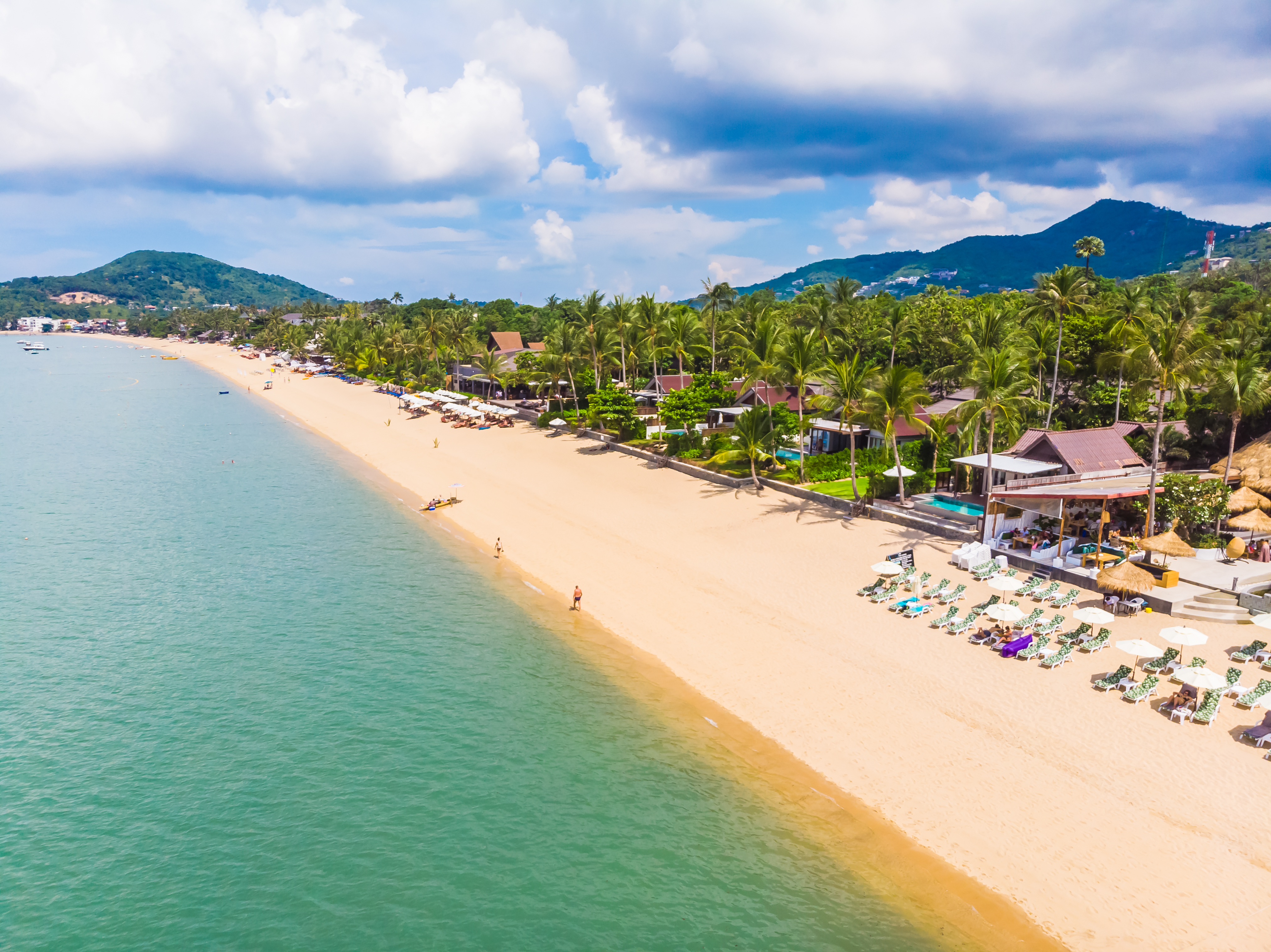
Surin sits between Kamala and Bang Tao and is categorically different from both. It is small — a single crescent of sand backed by low hills — and the development around it has been deliberately restrained. There are no high-rise hotel towers here. The beach clubs that exist (Bimi, Catch, the area around Twin Palms) are boutique rather than mega. The vibe is understated luxury rather than flashy luxury.
For visitors, Surin makes most sense as a splurge base or a secondary stop on a longer island trip. It is not a budget destination, and it doesn’t pretend to be. The beach itself is good — calm during dry season, with clear water and excellent sunsets — though the undertow strengthens significantly during monsoon months (May to October), when swimming is not advised.
Surin for long-stay residents and buyers
Surin is also where the conversation shifts for people thinking beyond a single trip. The area has become one of Phuket’s most sought-after residential addresses — consistently ranked among the island’s premium enclaves alongside Kamala and Bang Tao. Its appeal to long-term residents is the combination of a genuine beach with a calm, walkable neighbourhood feel and access to Bang Tao’s broader infrastructure (Boat Avenue, Porto de Phuket, Laguna) in under 10 minutes by car.
Hillside villas dominate the high end — properties in Surin and the Ayara/Surin Heights estates represent some of the most exclusive real estate on the island. For those exploring ownership in this market, Surin villas for sale gives a useful picture of what the current inventory looks like across different scales and positions.
Bang Tao and Laguna: The Resort Corridor
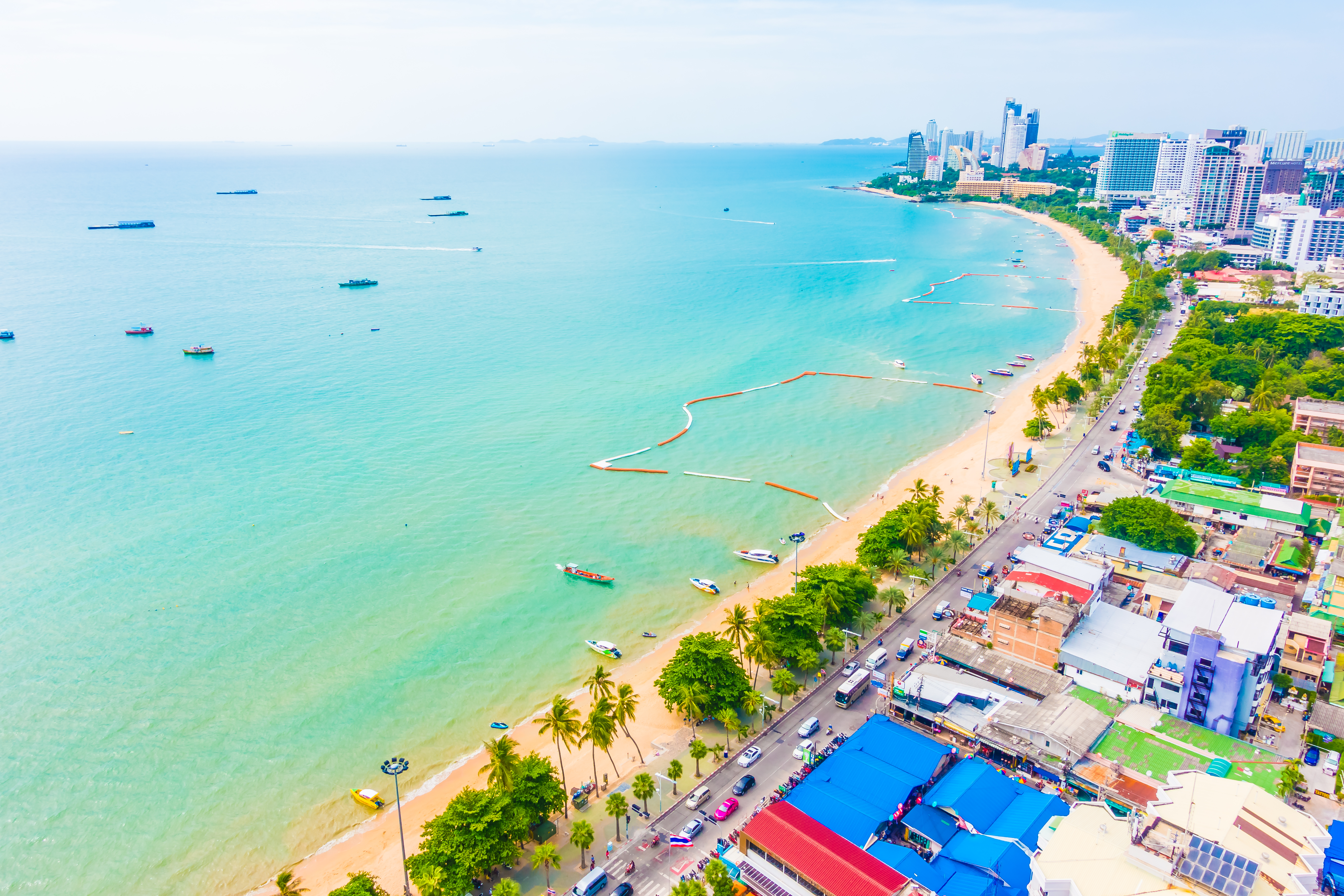
Eight kilometres of beach makes Bang Tao one of the longest stretches on the island. Laguna Phuket — Asia’s first integrated resort complex — occupies a large portion of the northern end, encompassing five hotels, golf courses, and a lagoon system connected by boat shuttles. The southern end of Bang Tao opens into the more commercial Boat Avenue and Porto de Phuket zones, which are effectively the island’s best mall-and-restaurant cluster outside of Phuket Town.
Bang Tao works best for families who want space, resort amenities, and structure. It also works extremely well for longer stays — the area has an established expat community, good international schools nearby, and the practical infrastructure (supermarkets, clinics, yoga studios, co-working spaces) that makes daily life functional. According to CBRE Thailand, interest in luxury villas around Bang Tao jumped sharply in the second half of 2024, reflecting how significantly this area has matured as a residential destination, not just a tourist zone.
Rawai and Nai Harn: Where Expats Actually Live
The south of Phuket is where the tourist map starts to thin out. Rawai is a local fishing village with a working seafood market and almost none of the resort-tourism infrastructure that defines the west coast. The beach is not great for swimming — it’s shallow and tidal — but that’s almost beside the point. Rawai is a neighbourhood first and a tourist destination second, which is precisely why long-term expats and retirees consistently rank it among the best places to live on the island.
Nai Harn, just south of Rawai around a headland, is different in character — one of Phuket’s genuinely beautiful beaches, backed by a lake and a park, with calmer water than most of the west coast during dry season. The combination of Rawai’s practical daily-life infrastructure and Nai Harn’s beach quality makes this southern cluster the most liveable part of Phuket for people who are not primarily here as tourists.
Phuket Old Town: Culture Without the Beach
Phuket Town is architecturally distinct from the rest of the island — rows of Sino-Portuguese shophouses, Chinese temples, and a walking street every Sunday on Thalang Road that genuinely draws locals as much as visitors. There is no beach here. The trade-off is authenticity: the food is better, the prices are lower, the accommodation is often in boutique heritage properties rather than concrete resort blocks, and the people you’ll encounter are mostly Thai rather than tourists.
It works well as a base for a short cultural leg of a longer Phuket trip, or for budget travellers who prefer character over convenience. It doesn’t work well as a primary base if beach access matters — getting to the west coast from Phuket Town requires a 20 to 40 minute drive, and public transport options are limited.
Best Time to Visit Phuket: The Straight Answer
November to March is peak season and the clear best window for most visitors. The northeast monsoon pushes rain away from Phuket’s west coast during these months, leaving dry, sunny days with temperatures of 24–32°C (75–90°F) and calm, clear Andaman Sea conditions. This is when beach swimming, island-hopping, and snorkelling are at their best. It is also when prices are at their highest and crowds are at their thickest — December and January in particular can feel like high season anywhere in the world.
April and May are transitional months. April is Songkran — Thai New Year — which brings festivals and warmth, but also the beginning of humidity and the first pre-monsoon rains. Crowds thin out, prices start dropping.
June to October is the southwest monsoon. The west coast gets rain — sometimes heavy and sustained in September and October. Swimming conditions on west-facing beaches can be dangerous, with red flags posted regularly. That said, the rain tends to fall in bursts rather than all-day downpours, accommodation rates drop by 30–40%, and many attractions and restaurants remain open. Phuket in low season is not the disaster it’s sometimes described as — it’s just a different trip.
| Period | Weather | Crowds | Prices |
|---|---|---|---|
| Nov – Mar | Dry, sunny, calm seas | High | Peak rates |
| Apr – May | Warm, transitional | Moderate | Shoulder rates |
| Jun – Oct | Rainy season, rough seas | Low | 30–40% discount |
Quick Area Comparison at a Glance
| Area | Beach quality | Budget fit | Nightlife | Best for |
|---|---|---|---|---|
| Patong | Good, busy | Mid–high | ★★★★★ | First-timers, groups, nightlife |
| Karon | Great, uncrowded | Budget–mid | ★★☆☆☆ | Beach-focused couples, budget travellers |
| Kata | Excellent, calm | Mid | ★★★☆☆ | Families, couples, surfers |
| Kamala | Great, relaxed | Mid | ★★☆☆☆ | Slow travellers, couples, long stays |
| Surin | Beautiful, boutique | Upscale | ★☆☆☆☆ | Luxury stays, long-term residents, buyers |
| Bang Tao | Long, excellent | Mid–luxury | ★★☆☆☆ | Families, resort living, expats |
| Rawai / Nai Harn | Nai Harn superb | Budget–mid | ★☆☆☆☆ | Expats, retirees, long-term living |
| Old Town | No beach access | Budget | ★★☆☆☆ | Culture seekers, budget travellers |
Beyond the Holiday: When Visitors Start Thinking About Staying
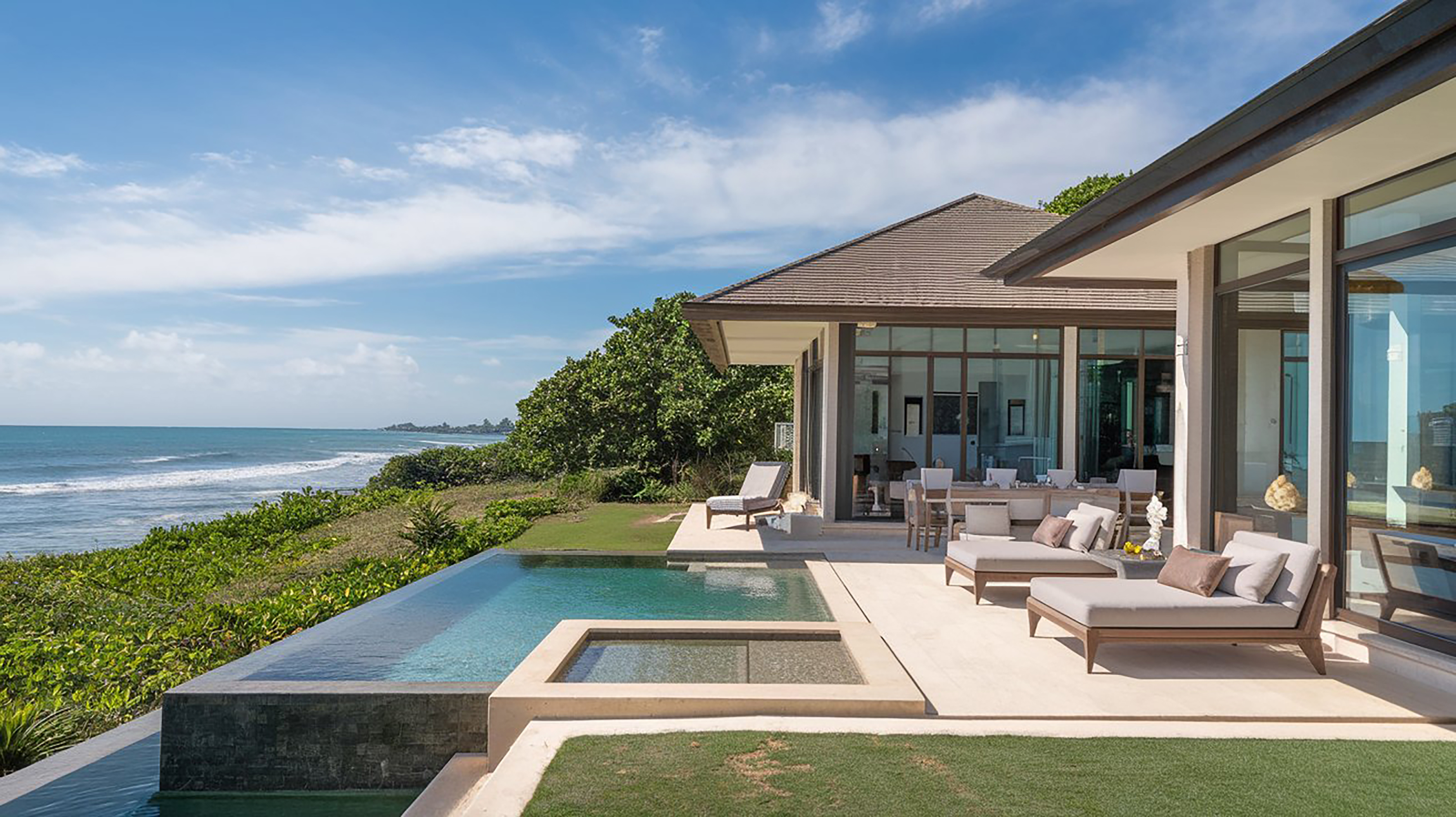
A growing number of people who arrive in Phuket as tourists leave with a different question in their heads. The island’s combination of infrastructure, climate, international community, and price point is hard to match globally — and the practical pathway to staying longer is clearer than most people expect.
The most important thing to know for foreign buyers: under Thai law, foreigners cannot own land directly. What they can own outright, in their own name, with full freehold title, is a condominium unit — provided the development has not exceeded its 49% foreign ownership quota. This makes the Phuket condo market the natural entry point for most international buyers. For anyone starting that research, browsing condos for sale in Phuket is a practical first step for understanding what the market offers across different price points and areas.
For those whose budget or lifestyle preference runs toward a house or villa, the standard route is a registered leasehold — typically 30 years with renewal options. Some buyers use Thai company structures to hold land, but this practice has come under sharply increased scrutiny from the Department of Business Development since 2024, and most legal advisors now strongly recommend against it. A leasehold from a reputable developer, properly registered at the Land Department, is the secure alternative. For a broader picture of what the Phuket property market offers across property types and neighbourhoods, properties for sale in Phuket provides a comprehensive starting point.
Practical note: Any purchase funds must be transferred into Thailand from overseas in a foreign currency and documented with a Foreign Exchange Transaction (FET) Form from your Thai bank. Without this form, the Land Department will not register your ownership. Get legal advice before signing anything.
The Bottom Line
Phuket rewards research. The travellers who get it wrong almost always made the same mistake: they booked the most famous area without asking whether it matched what they actually wanted from a trip.
The honest answer to where to stay in Phuket is: it depends entirely on who you are. Patong if you want energy and convenience. Kata or Karon if family beach time is the point. Kamala or Surin if you want to actually feel like you’re somewhere rather than just somewhere in Thailand. Bang Tao if you want infrastructure and space. Rawai or Nai Harn if you want to stop being a tourist for a while.
Whatever area you land in — get out of it. The island is big, it rewards exploring, and you’ll see things that no fixed base gives you. Rent a motorbike if you’re comfortable, or use Grab. Drive the west coast road from Rawai to Bang Tao at sunset at least once. It’s one of the better hours Southeast Asia has to offer.
Sources & Further Reading
The Thaiger — Bang Tao Phuket: The neighbourhood expats and investors are eyeing in 2025 | thethaiger.com
Savills Thailand — The Foreign Buyer’s Complete Guide to Thai Property Law (2025 Edition) | savills.com
Siam Legal International — Buying Property in Thailand in 2025 | siam-legal.com
Phuket New Property — Best Areas to Live in Phuket in 2025 | phuketnewsproperty.com
US News Travel — Best Times to Visit Phuket | travel.usnews.com
LexBangkok — Can Foreigners Buy Condominiums in Thailand? 2025 | lexbangkok.com

 There is a specific skill involved in explaining something clearly — one that is completely separate from actually knowing the subject. Ozirian Velmyre has both. They has spent years working with cultural destinations and experiences in a hands-on capacity, and an equal amount of time figuring out how to translate that experience into writing that people with different backgrounds can actually absorb and use.
Ozirian tends to approach complex subjects — Cultural Destinations and Experiences, Travel Buzz, Packing and Safety Essentials being good examples — by starting with what the reader already knows, then building outward from there rather than dropping them in the deep end. It sounds like a small thing. In practice it makes a significant difference in whether someone finishes the article or abandons it halfway through. They is also good at knowing when to stop — a surprisingly underrated skill. Some writers bury useful information under so many caveats and qualifications that the point disappears. Ozirian knows where the point is and gets there without too many detours.
The practical effect of all this is that people who read Ozirian's work tend to come away actually capable of doing something with it. Not just vaguely informed — actually capable. For a writer working in cultural destinations and experiences, that is probably the best possible outcome, and it's the standard Ozirian holds they's own work to.
There is a specific skill involved in explaining something clearly — one that is completely separate from actually knowing the subject. Ozirian Velmyre has both. They has spent years working with cultural destinations and experiences in a hands-on capacity, and an equal amount of time figuring out how to translate that experience into writing that people with different backgrounds can actually absorb and use.
Ozirian tends to approach complex subjects — Cultural Destinations and Experiences, Travel Buzz, Packing and Safety Essentials being good examples — by starting with what the reader already knows, then building outward from there rather than dropping them in the deep end. It sounds like a small thing. In practice it makes a significant difference in whether someone finishes the article or abandons it halfway through. They is also good at knowing when to stop — a surprisingly underrated skill. Some writers bury useful information under so many caveats and qualifications that the point disappears. Ozirian knows where the point is and gets there without too many detours.
The practical effect of all this is that people who read Ozirian's work tend to come away actually capable of doing something with it. Not just vaguely informed — actually capable. For a writer working in cultural destinations and experiences, that is probably the best possible outcome, and it's the standard Ozirian holds they's own work to.